What was failing
BHI Coatings performs Chute & Hopper Erosion Lining for industrial plants in Alvin and across the Texas Gulf Coast.
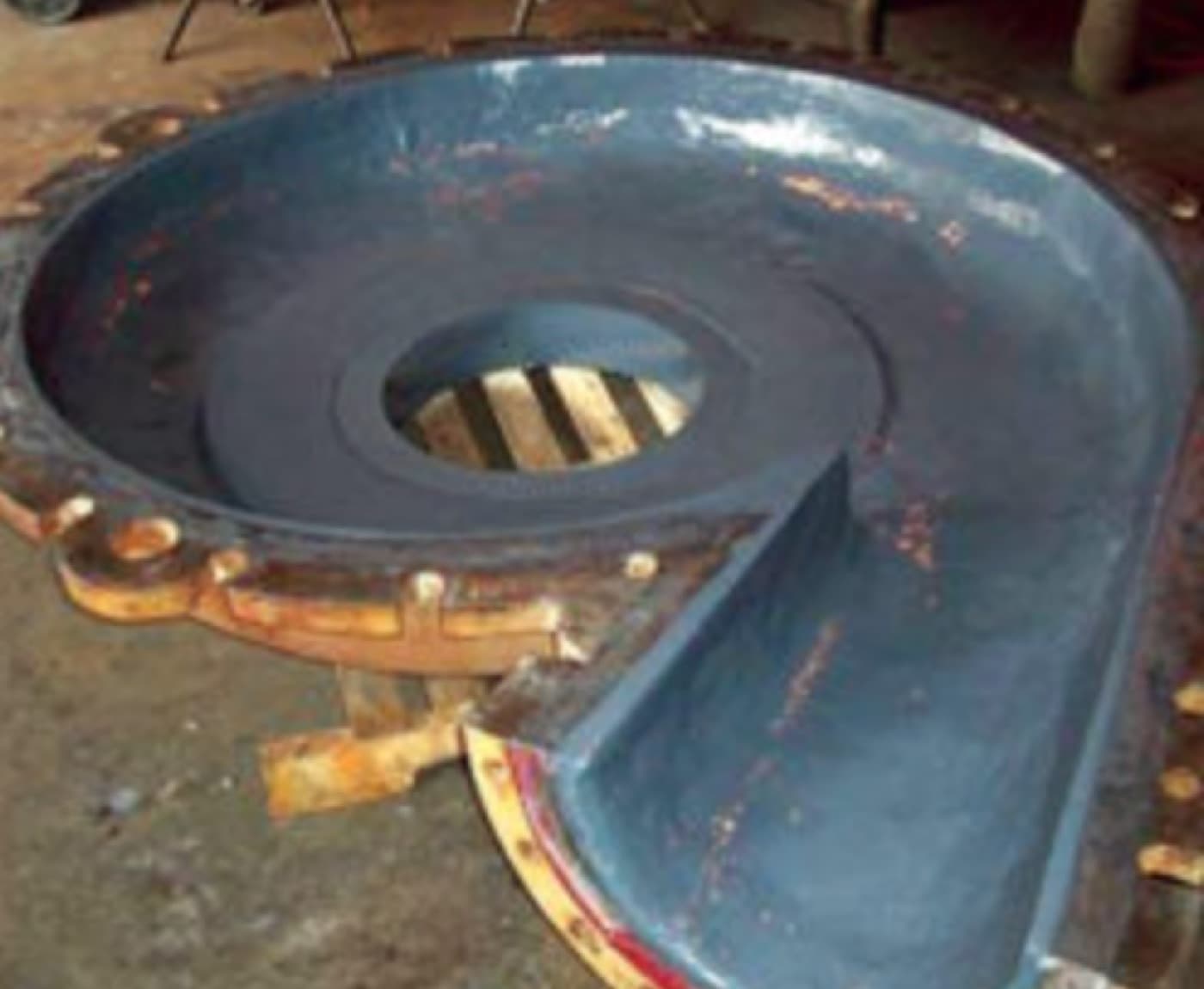
Transfer chutes, hoppers, and a slurry pump wore through fast at the high-impact and high-velocity points. The steel thinned, holes opened, and material started leaking onto the structure below.
Each failure forced an unplanned shutdown, and the rebuild interval kept getting shorter. The plant needed the wear faces to last longer between repairs.
How BHI Coatings approaches Chute & Hopper Erosion Lining
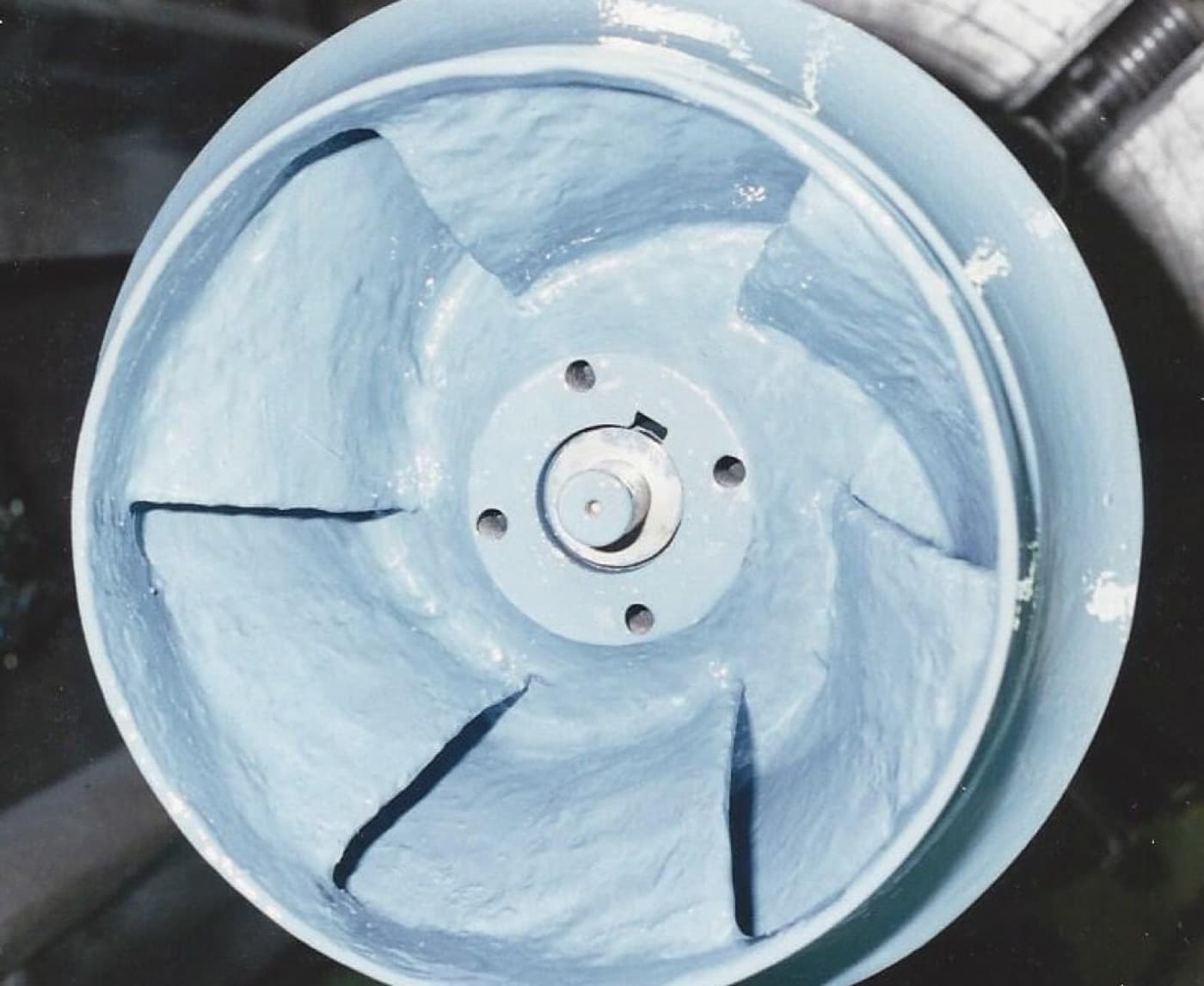
We assess each component to separate sliding abrasion from direct impact, because the two wear patterns call for different protection. We blast the substrate, rebuild the thinned and holed steel back to profile, and line the wear faces with an impact- or abrasion-resistant composite. Where the part flexes or sees repeated impact, we apply a cold-applied elastomer instead. The work is matched to the actual wear so the new surface holds up where the old steel failed.
Assess wear pattern
We inspect the chutes, hoppers, and pump to identify whether each face fails by sliding abrasion or direct impact.
Surface prep
We blast the steel to a clean, profiled surface so the rebuild and lining bond properly.
Rebuild worn steel
We fill holes and rebuild the thinned sections back to their original profile.
Line the wear faces
We line each face with an impact- or abrasion-resistant composite, or a cold-applied elastomer where flexibility matters.
Return to service
We cure and inspect the lined components, then hand them back ready to run.
The result
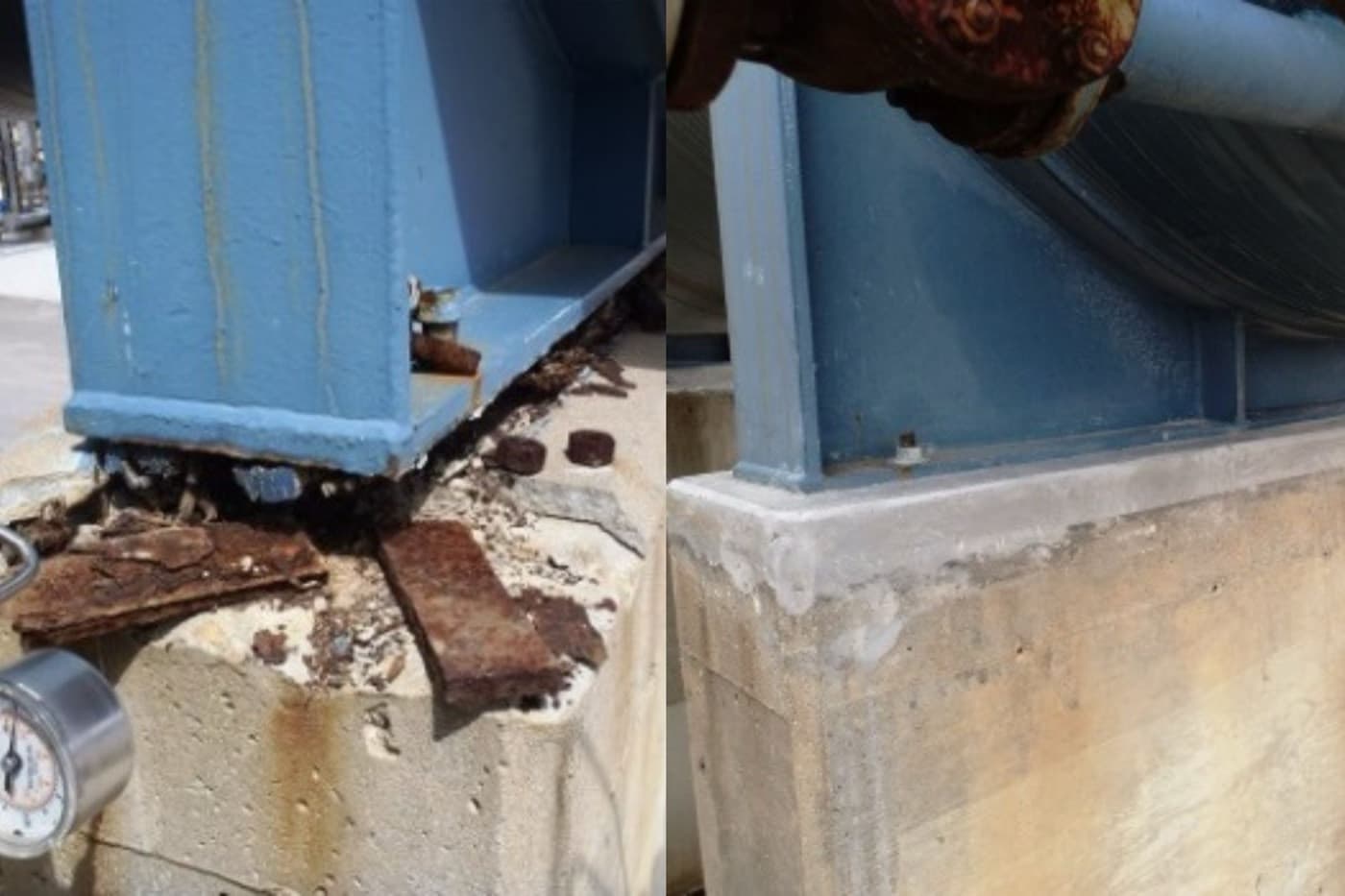
What Chute & Hopper Erosion Lining looks like
Repair and protection work of this kind, performed by BHI Coatings crews across the Texas Gulf Coast.