Rubber & Elastomer Repair
Cold-cure repair and recoating of rubber linings, conveyor belts, and rollers, an in-situ alternative to vulcanizing.
What Rubber & Elastomer involves
BHI Coatings crews perform rubber & elastomer repair work for industrial plants in Alvin and across the Texas Gulf Coast.
A torn conveyor belt or a stripped rubber lining usually means one thing on a maintenance schedule. A shutdown, a removal, and a wait. Vulcanizing a belt or sending a roller out for re-covering pulls the part off the line, ties up rigging, and parks the unit until the rebuilt piece finally comes back.
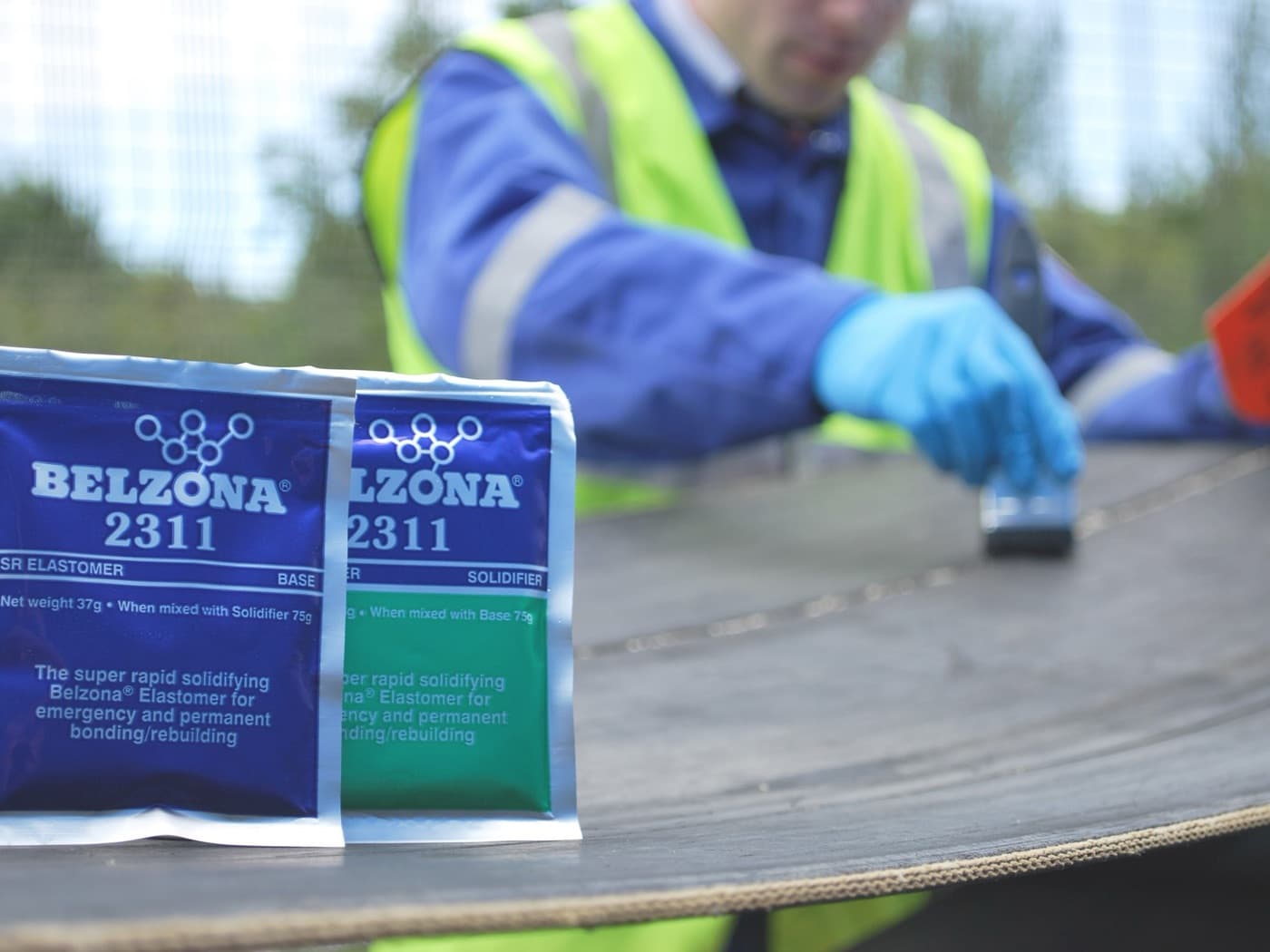
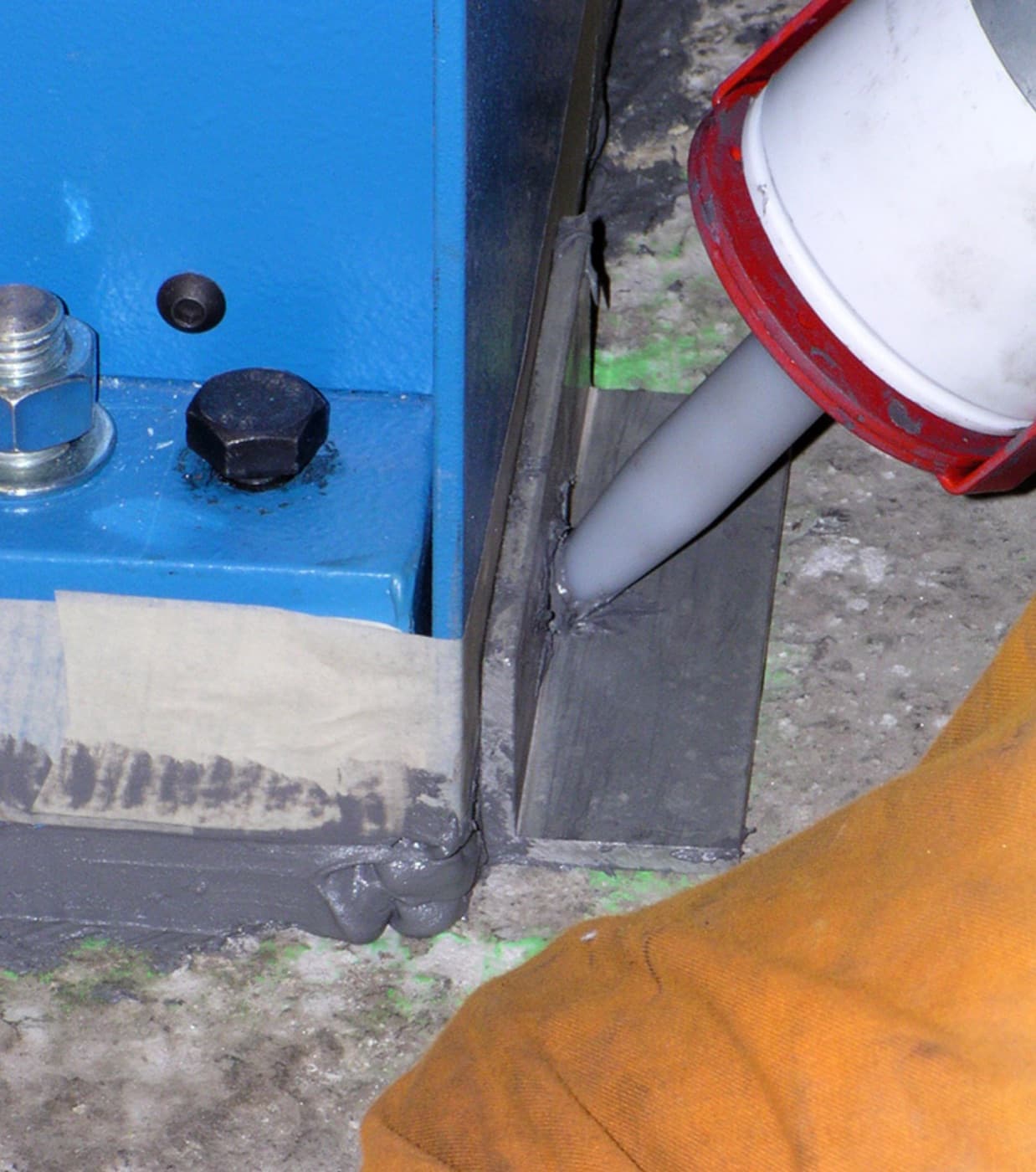
We work a different way. As a factory-trained and factory-certified Belzona applicator out of Alvin, the crew repairs rubber and elastomer components cold, in place, with no hot work and no vulcanizing oven. We rebuild the worn rubber, recoat the bare areas, and bond a flexible repair to the existing surface, so the component goes back into service on your timeline. Refiners, petrochemical producers, and marine operators along the Texas Gulf Coast call us when pulling the part for re-lining is the expensive option and a cold field repair is the practical one.
Conveyor belts, linings, and rollers that move bulk product
Bulk-handling equipment wears from the inside out. Sliding and impact abrasion strip rubber linings off chutes, hoppers, and slurry housings, and once the lining is gone the bare steel underneath loses metal quickly. On the belt itself, gouges, rips, and worn top covers spill cargo, and the damage spreads until the belt is scrapped or the line stops.
We recoat the worn surfaces and rebuild the rubber lining cold on site, so the equipment picks up fresh abrasion protection without ever coming out for re-lining. For belt damage, the crew rebuilds the torn area cold with a flexible elastomer that bonds to the existing rubber, and the line goes back to service with no splice and no full belt replacement.
Drive and feed rollers fail in a quieter way. Glazed, worn, or torn covers lose their grip, and that slip shows up as mistracking and dropped throughput. BHI Coatings resurfaces rollers cold with a high-grip elastomer that restores the friction profile, and the roller goes straight back into the drive without an OEM re-covering order.
Sealing, casting, and pipe repairs that hold service
Not every rubber repair is about wear. Irregular flange faces and older machinery often need gaskets, seals, and shims at thicknesses no catalog part will match.
BHI Coatings casts those parts in place with a fluid elastomer, supported by Belzona 2131 and 2211 materials, that cures against the actual mating surface. No molds, no specialty tooling, and the finished seal fits the equipment rather than forcing the equipment to fit a stock part.
Plastic and rubber pipe presents its own problem. Cracks, splits, and worn sections leak product and shrug off a conventional metal repair. We seal and rebuild those lines cold with a flexible repair that bonds to the substrate, so the run holds service with no new section cut in and no re-jointing.
Marine fenders and molded components on the dock
On the waterfront, impact and abrasion tear dock fenders, skirting, and molded rubber parts faster than a replacement can be sourced and shipped. Leave a torn fender in place and it keeps damaging the vessel and the structure, while the replacement order runs long.
BHI Coatings rebuilds the torn component cold with a high-build elastomer, using Belzona 2211 and 2311 materials that bond to the existing part. The damaged fender is back in service without anybody waiting on a new molded part to arrive.
What the repair buys you
Every job here avoids the same costs. No removal, no hot work, no vulcanizing oven. The belt never comes off the structure, the roller never ships out for re-covering, and the fender never sits dead waiting on a replacement to land.
Cold-cure repair lets us rebuild the part where it sits and hand it straight back, which extends asset life and pushes the next overhaul further out.
The result is shorter downtime and a unit back in production sooner. BHI Coatings backs the work with decades of field experience, a strong safety record, and 24-hour on-call service across the Texas Gulf Coast. A torn belt or a stripped lining gets a crew on it rather than a place in line for the next outage.
Applications in Rubber & Elastomer
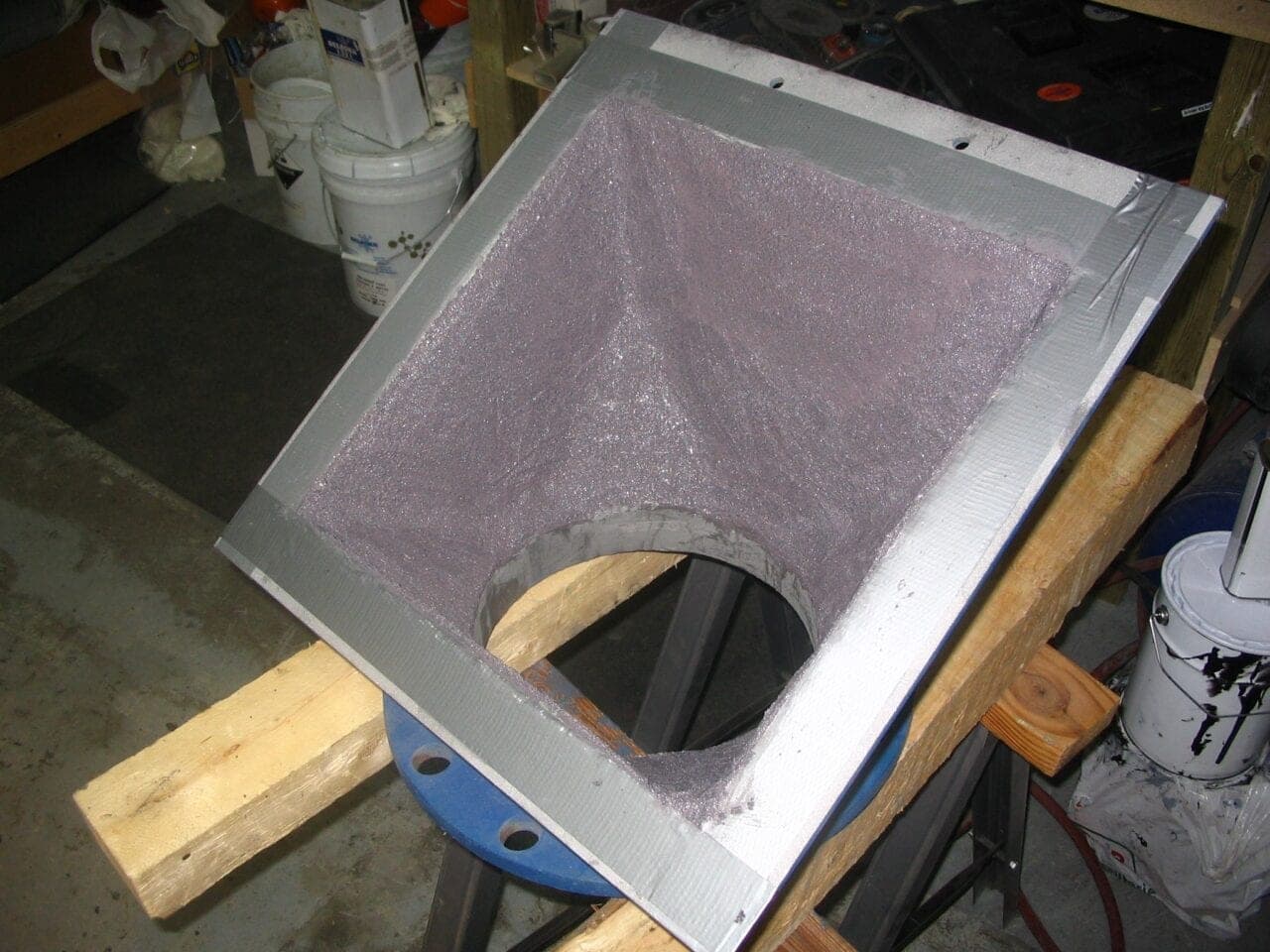
Abrasion-resistant rubber linings and recoating
Sliding and impact wear strips rubber linings off chutes, hoppers, and slurry equipment, exposing bare steel to fast metal loss.
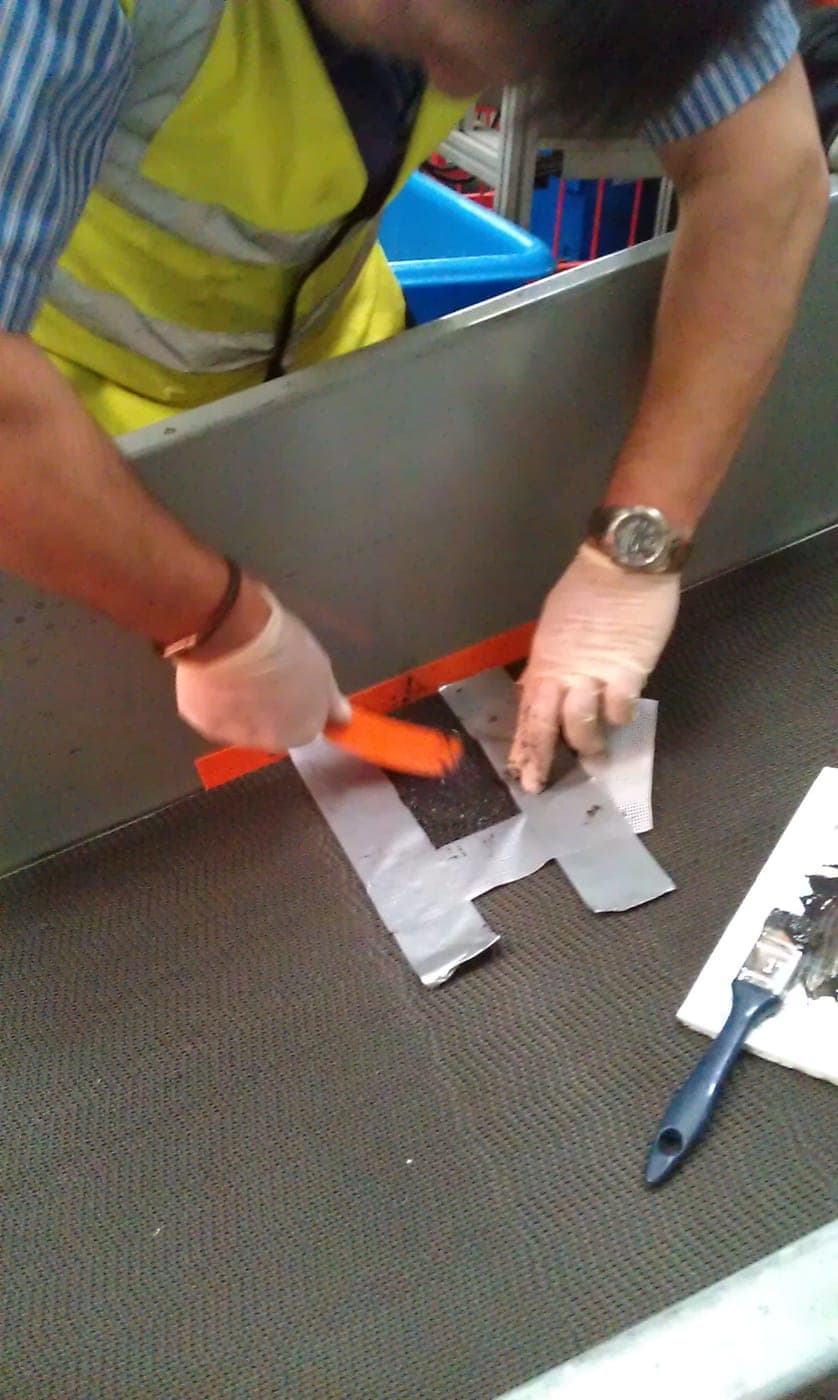
Conveyor belt repair
Gouges, rips, and worn top covers on conveyor belts let cargo escape and spread until the belt is scrapped or the line stops.
Gasket, seal, and shim casting
Irregular flange faces and legacy machinery need gaskets, seals, and shims at thicknesses no catalog part matches.
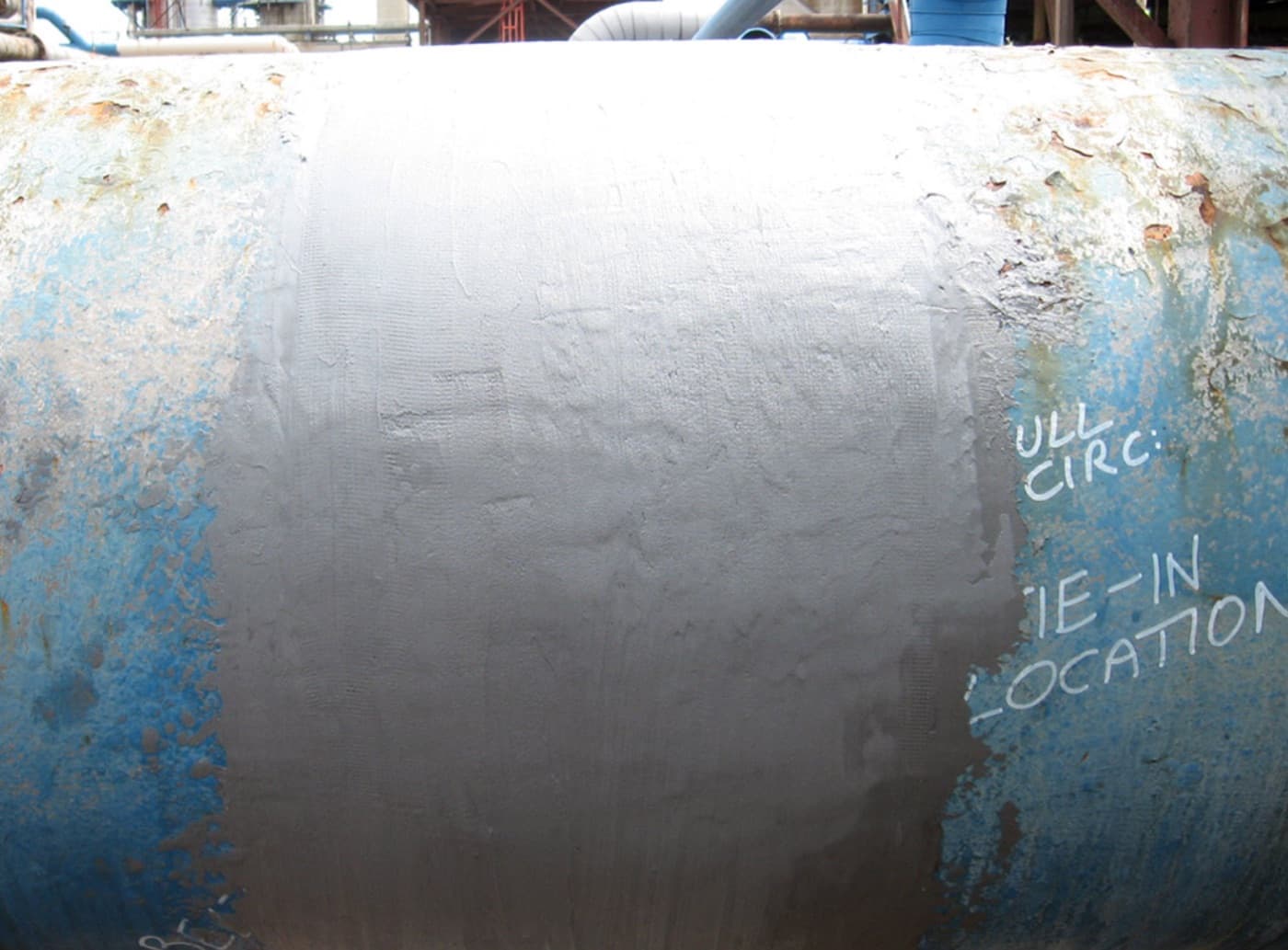
Plastic and rubber pipe repair
Cracks, splits, and worn sections in plastic and rubber pipe leak product and resist conventional metal repair methods.
Rubber fender and component repair
Impact and abrasion tear dock fenders, skirting, and molded rubber parts faster than replacement parts can be sourced and shipped.
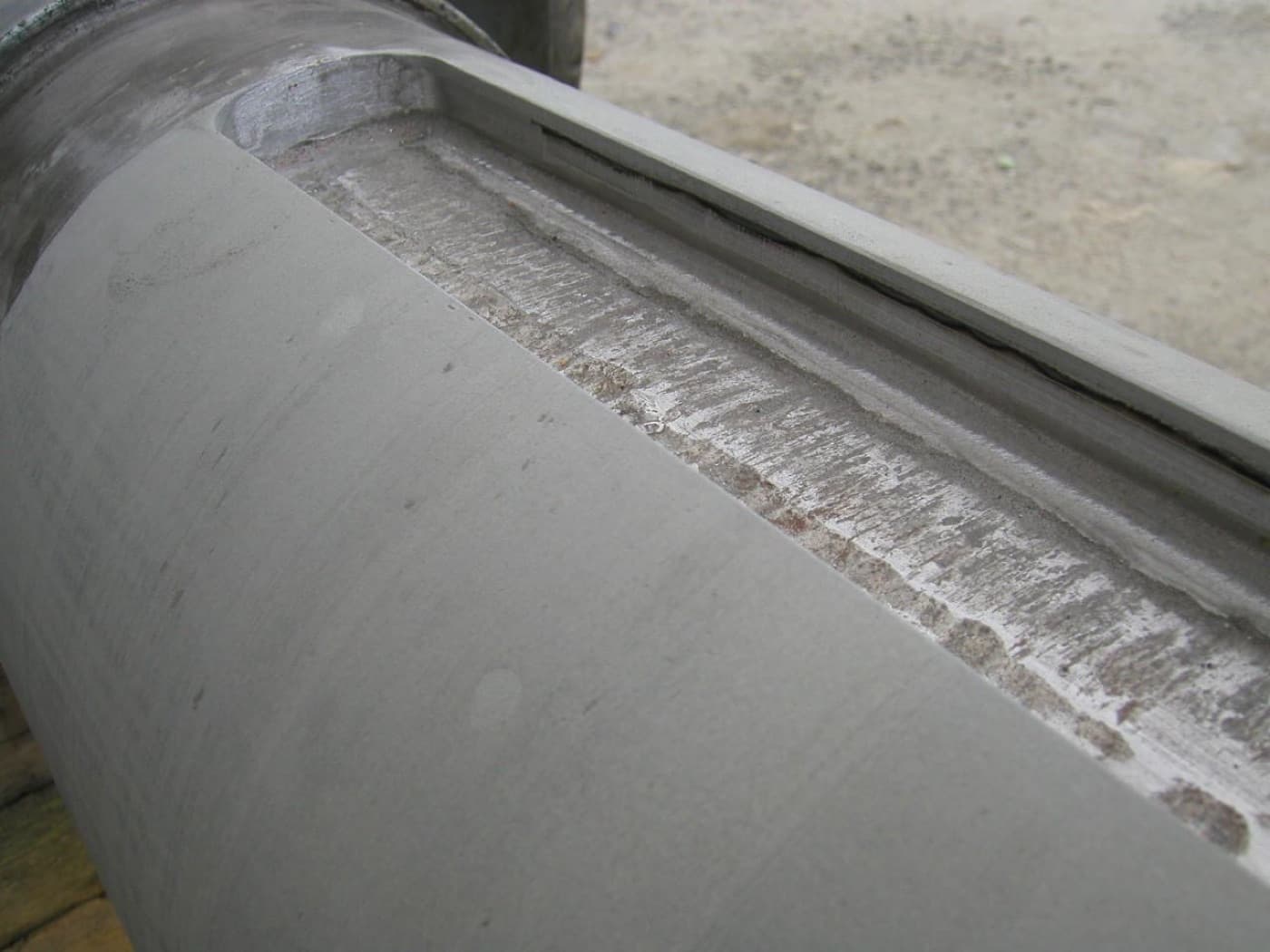
Rubber roller and drive-roller recovering
Glazed, worn, or torn roller covers lose grip and traction, causing slip, mistracking, and dropped throughput on drive and feed rollers.
Matched to the service conditions.
What this does for your facility
Related work
The industries where rubber & elastomer is most used, and the capabilities BHI Coatings runs alongside it.
Contact BHI Coatings
Need rubber & elastomer repair?
Tell us what is failing. We respond quickly, and we offer 24-hour on-call service.