
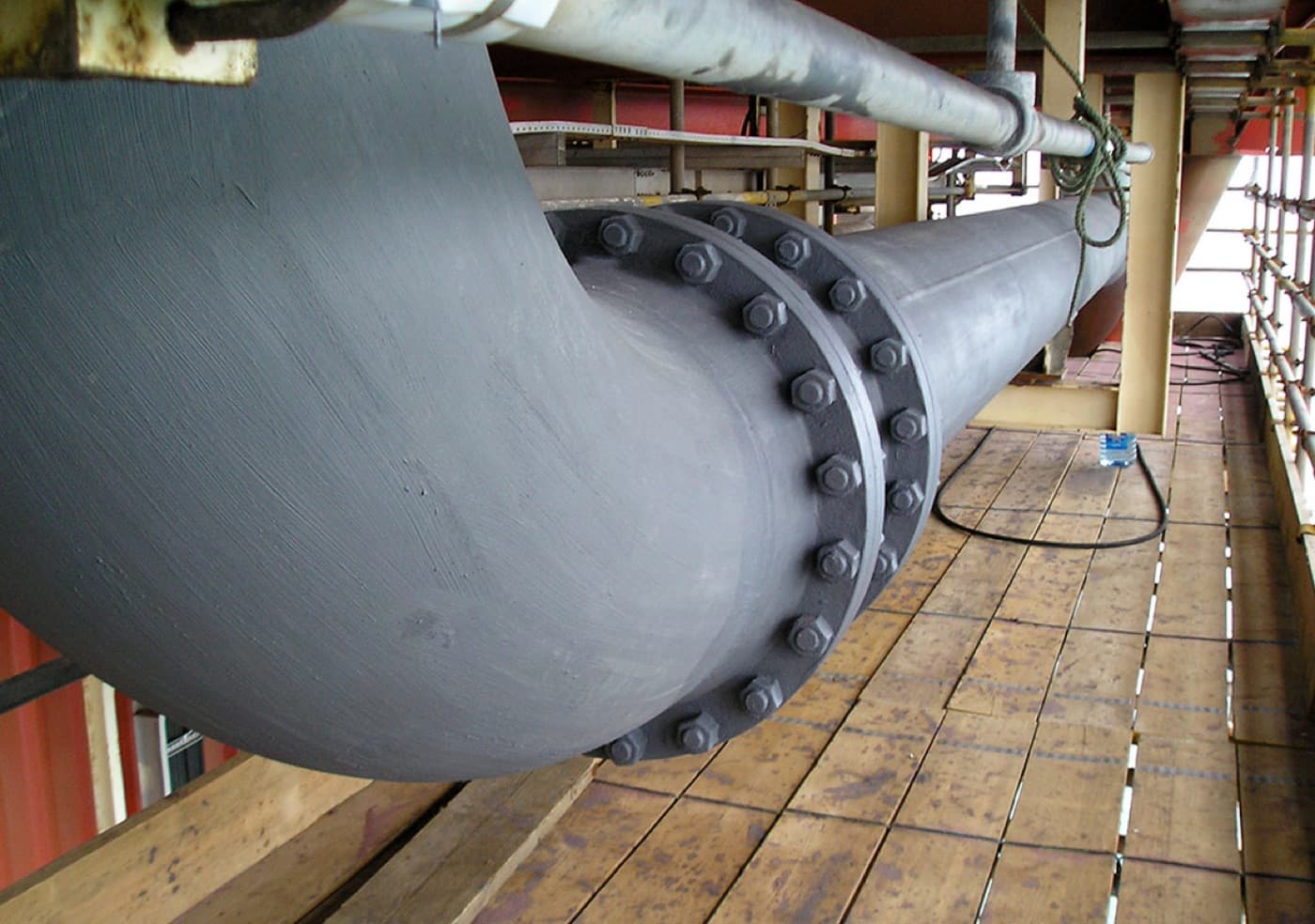
High-Temperature Coatings
In-situ external protection of hot pipework and equipment, including corrosion under insulation mitigation.
What High-Temperature Coatings involves
BHI Coatings crews perform high-temperature coatings work for industrial plants in Alvin and across the Texas Gulf Coast. BHI Coatings works cold-applied: no hot work and no hot-work permits to remove or install. Most repairs happen in service or on a planned turnaround, without the permitting burden and downtime that hot work brings.
Insulated lines are where corrosion hides. Wet lagging traps moisture against hot pipe and vessel walls, and none of it is visible until an inspector cuts into the jacket and finds metal loss that is already severe. The hard part is the heat. The asset runs above ambient, you cannot cool it or drain it, and most coatings want an ambient substrate they are never going to get.
We work the problem from the applicator's chair. Our factory-trained and factory-certified Belzona applicators prepare and coat hot surfaces in place, in the field across the Texas Gulf Coast, so the line keeps running while we reset the corrosion clock. Decades of field work, a strong safety record, and around-the-clock on-call service back the crew that does the hands-on work, not a parts list.
Corrosion under insulation, coated on the live line
Corrosion under insulation costs Texas Gulf Coast refiners and petrochemical producers more than most failure modes, and the reason is simple: nobody sees it coming. Water gets past the cladding, settles against hot steel, and eats the wall while the insulation keeps the loss invisible.
We brush a barrier coating directly onto the hot surface under the insulation while the line stays in service. The coating is chosen to hold across the temperature band where CUI does its worst work, so the steel is protected through the heat-up and cool-down cycles that drive the attack.
The value here is in what never happens. No shutdown to cool the line, no drain-down, no hot work.
Our crew strips the lagging in sections, prepares the steel, applies the system, and re-insulates, all with the unit still online. The asset picks up years of added wall life without surrendering a single run-hour.
Hot vessels and pipework, coated in place
Some equipment simply cannot come down. A vessel, tank, or pipe run operating hot cannot be cooled or drained without stopping production, which is exactly why conventional linings that need an ambient surface never get applied to it.
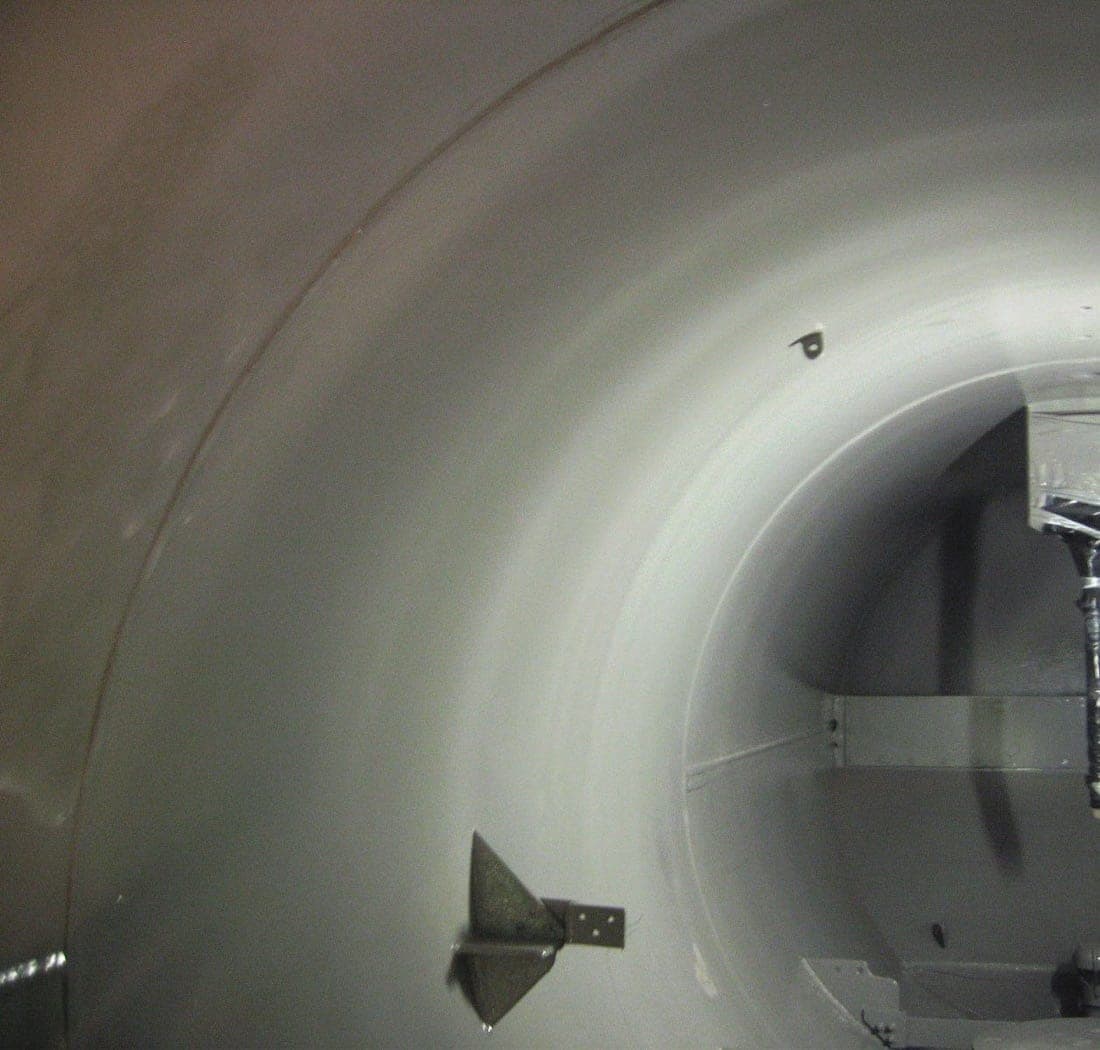
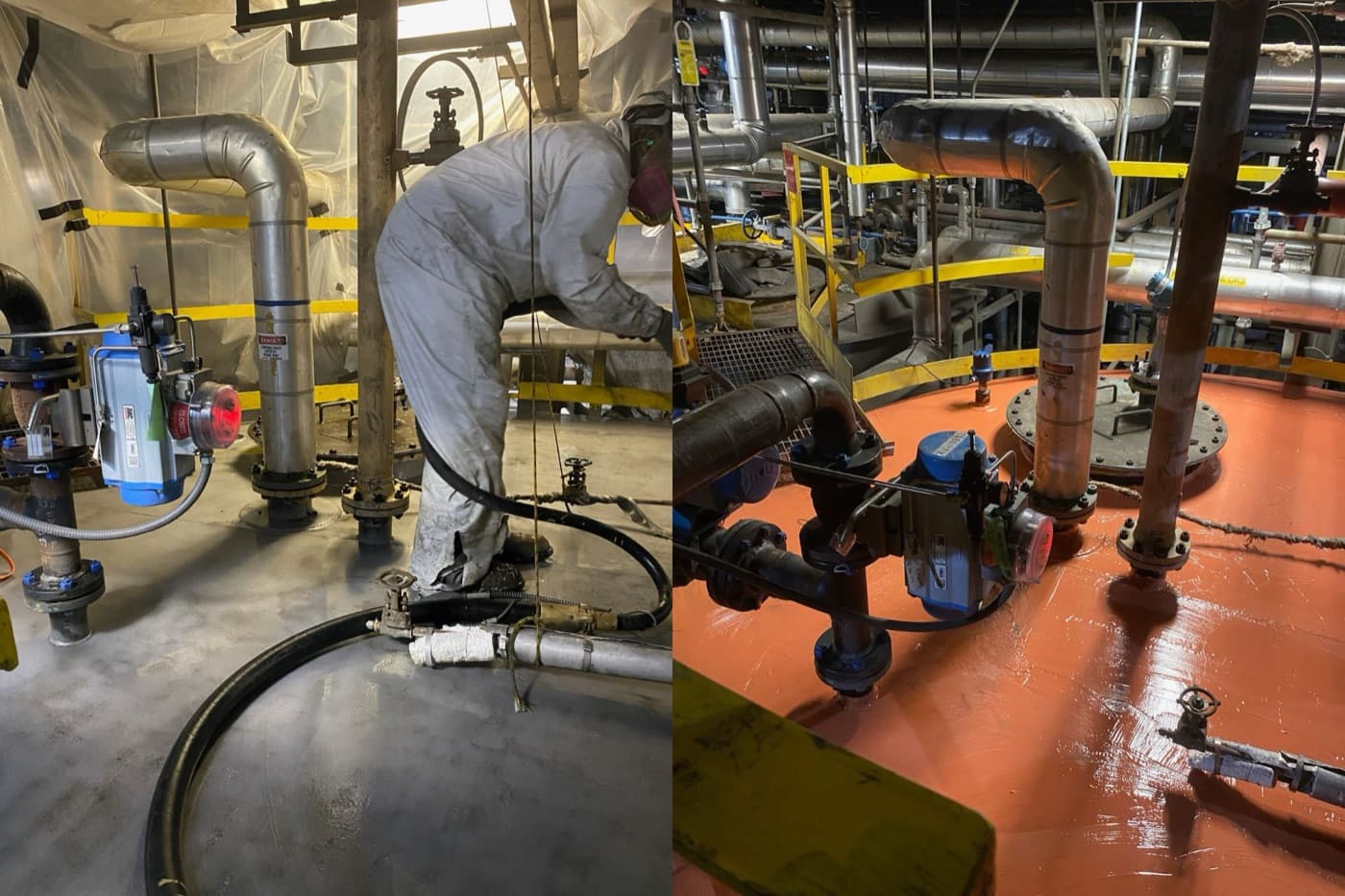
We coat those assets in place. The crew applies high-temperature linings that cure on the operating surface, so the equipment keeps doing its job while the protection goes on. The same approach lines hot process equipment internally with ceramic-filled coatings matched to the actual service temperature, cured cold inside the unit during a planned outage.
This is in-situ work, and it is the difference between a recoat and a replacement. Rather than waiting on a window long enough to cool, drain, and dry a vessel, the facility gets a protected surface on the schedule it already has. Supporting high-temperature Belzona systems give the crew the right film for the service, but the result the maintenance buyer buys is a unit that stays in service.
Sealing the jacket and freeing the fasteners
Most CUI starts at a leak in the cladding. Insulation jacketing splits at seams, support legs, and penetrations, and once water is behind the lagging it finds the pipe and corrodes it in the dark.
We seal the cladding with a reinforced membrane and a weather-side coating, closing the seams and penetrations where the water gets in. The barrier keeps moisture out and stops the corrosion cycle before it starts, which is cheaper than chasing it once the metal is already thin.
The crew also handles the hardware that hot service ruins. Bolted and threaded assemblies on heated equipment seize solid, and then the next overhaul means cutting fasteners free rather than unfastening them.
We apply a high-temperature anti-seize to fasteners and mating faces so components break loose cleanly at the next teardown. That is time saved on the turnaround after this one.
What the facility gets back
Every job on this page ends the same way. No hot work, no permits that come with an open flame, and in most cases no shutdown at all, because the work happens on the live, hot surface.
The crew preps in the field or in our climate-controlled Alvin shop, applies the system, and the line either keeps running or returns to service inside the outage already on the calendar.
What the maintenance buyer is paying for is straightforward. Insulated steel that was quietly wasting away carries a barrier rated for its operating temperature. Cladding that was letting water in is sealed. Fasteners that were headed for a cutting torch will come apart by hand.
The asset stays in service, its life is extended, and the next inspection finds steel rather than surprises.
Applications in High-Temperature Coatings
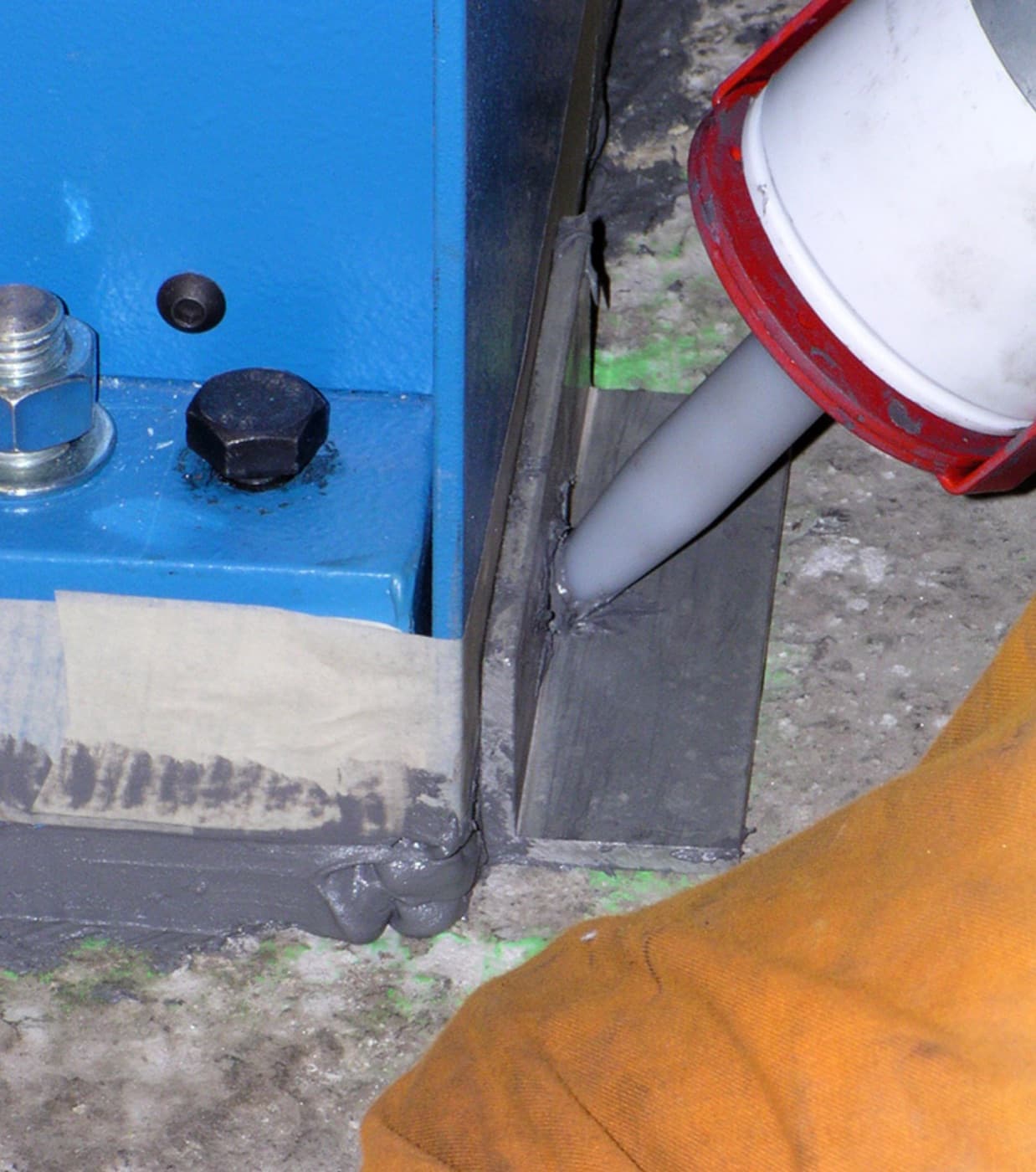
Anti-seize and component release
Bolted and threaded assemblies on hot equipment seize together, so the next overhaul means cutting parts free instead of unfastening them.
Corrosion under insulation prevention
Wet insulation traps moisture against hot pipe and vessel walls, driving hidden corrosion that inspectors only find once metal loss is severe.
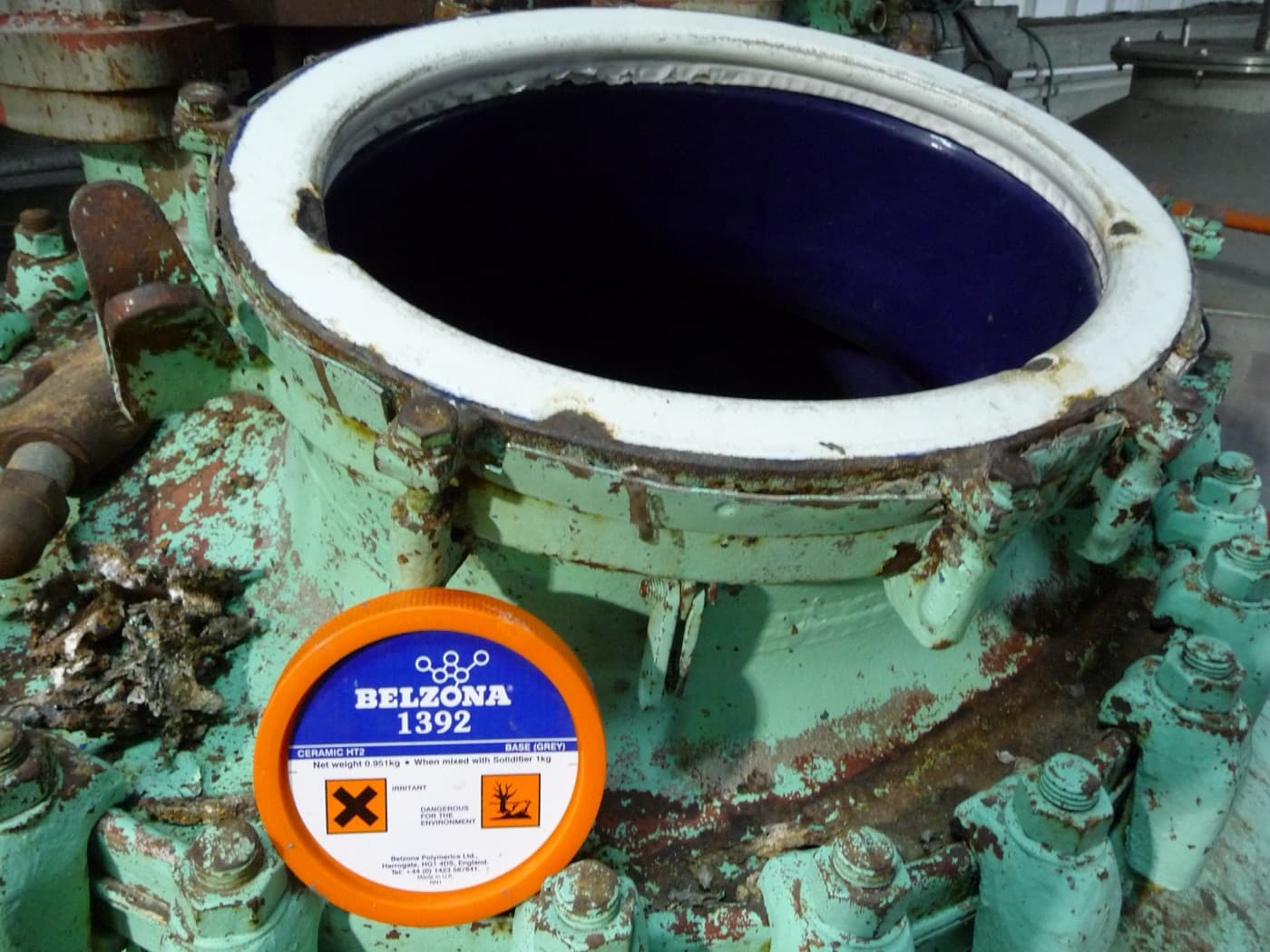
High-temperature equipment lining
Equipment running well above ambient strips standard immersion linings, exposing bare steel to corrosion and process attack.
Hot vessel and pipework in-situ coating
Tanks, vessels, and pipework running hot cannot be cooled or drained, so conventional linings that need an ambient substrate never get applied.
Insulation jacketing and lagseal protection
Insulation cladding leaks at seams, support legs, and penetrations, letting water reach the pipe and hide active corrosion under the lagging.
Matched to the service conditions.
What this does for your facility
Related work
The industries where high-temperature coatings is most used, and the capabilities BHI Coatings runs alongside it.
Contact BHI Coatings
Need high-temperature coatings?
Tell us what is failing. We respond quickly, and we offer 24-hour on-call service.