
Tank & Chemical Containment Lining
Internal and external linings for tanks, vessels, and secondary containment exposed to chemical attack and immersion.
What Tank & Containment Lining involves
BHI Coatings crews perform tank & chemical containment lining work for industrial plants in Alvin and across the Texas Gulf Coast. BHI Coatings works cold-applied: no hot work and no hot-work permits to remove or install. Most repairs happen in service or on a planned turnaround, without the permitting burden and downtime that hot work brings.
A tank, vessel, or bund losing wall thickness is a clock running against your next outage. Stored chemicals attack the floor and the floor-to-shell weld. Hot liquor thins linings inside digesters and evaporators. Water wicks in under the tank chime and eats the floor plate from beneath. Porous concrete lets a spill travel through the bund and into the soil.
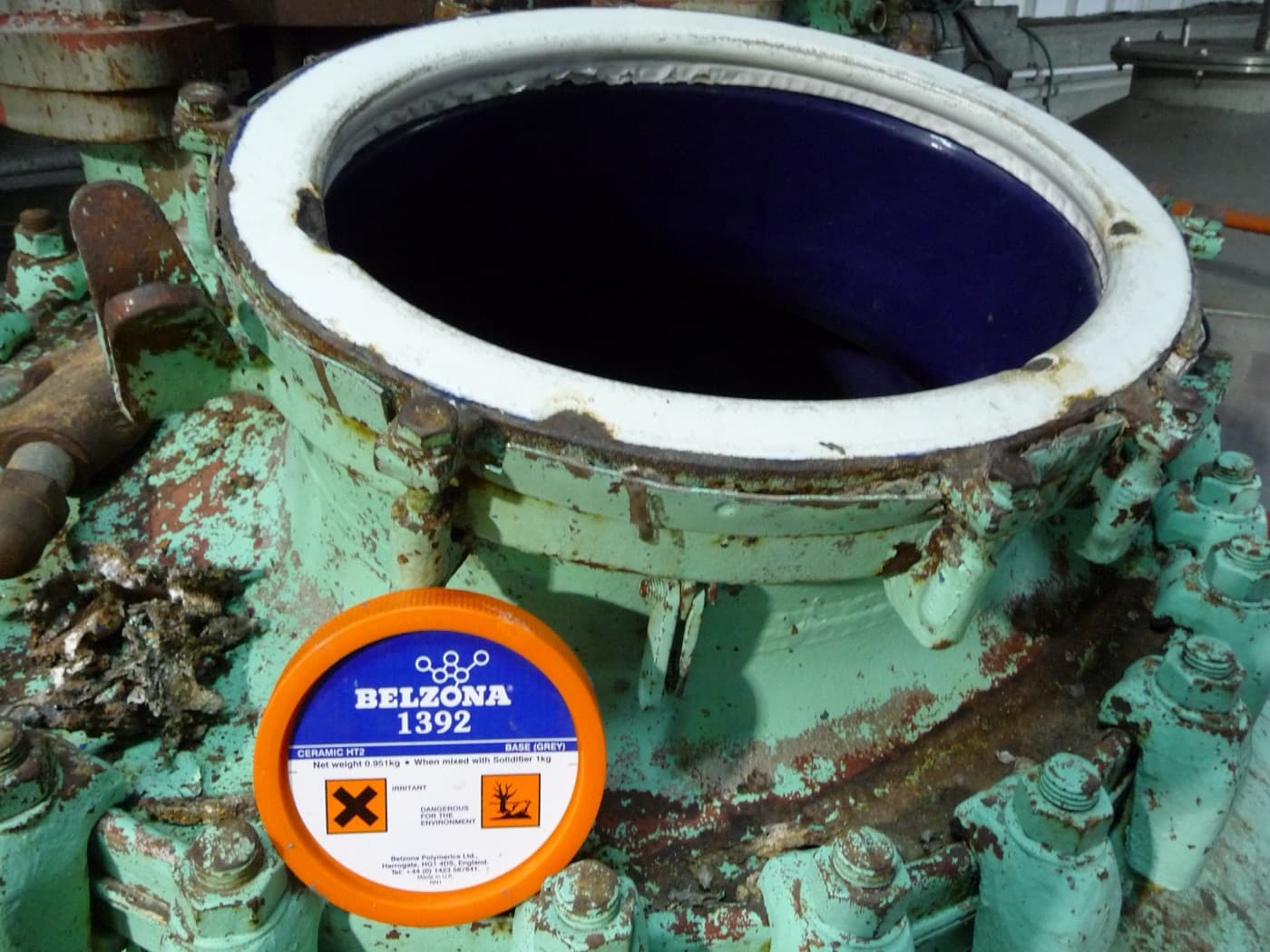
We are the field crew that stops that progression. We are factory-trained and factory-certified Belzona applicators based in Alvin, serving the Texas Gulf Coast. Our crew prepares the surface, repairs the substrate, and applies a cold-cure lining matched to your stored product and service temperature. No hot work. No liner-replacement weld cycle. The asset comes back inside the shutdown already on your calendar.
Tank floors, shells, and the chime where corrosion starts
Stored product settles wherever it is stagnant, and that is exactly where steel thins first. On chemical storage tanks the floor and the floor-to-shell weld take the attack once the old lining wears through.
We apply a cold-cure lining as one continuous film over the prepared interior. There are no welds to recoat and no heat soak to schedule around, and the tank goes back to service as a single joint-free surface.
The other failure point is underneath. Water wicks in at the tank-to-foundation rim and works on the floor plate from below, and every rain cycle makes it worse.
We seal the steel-to-concrete chime with a flexible cold-applied coating and reinforce the inside rim. That fits inside a routine inspection window, so underside corrosion gets addressed without opening a full floor project. Supporting systems here include immersion-grade Belzona linings for the tank interior and flexible Belzona membranes for the chime and rim detail.
Process vessels, towers, and high-temperature service
Process vessels, knock-out drums, clarifiers, and separators corrode at welds, access ports, and the water leg where produced water and solids settle against the shell. We line each interior with a cold-cure system chosen for that specific service, and the vessel returns inside the existing turnaround instead of waiting on fabrication.
Hot and wet service is its own category. Kraft digesters carry sulfate-rich liquor that thins linings and corrodes every weld and port in one campaign. Evaporators, de-aerators, autoclaves, scrubbers, and absorber towers either run hot or take acidic condensate, and ordinary coatings break down under both.
We apply ceramic-filled high-temperature immersion linings matched to the operating temperature, with a chemical-resistant overlay where acid is what drives the failure. The vessel recoats cold during the scheduled outage. Ceramic-filled and immersion-grade Belzona series carry the high-temperature work.
Secondary containment, bund walls, and certified linings
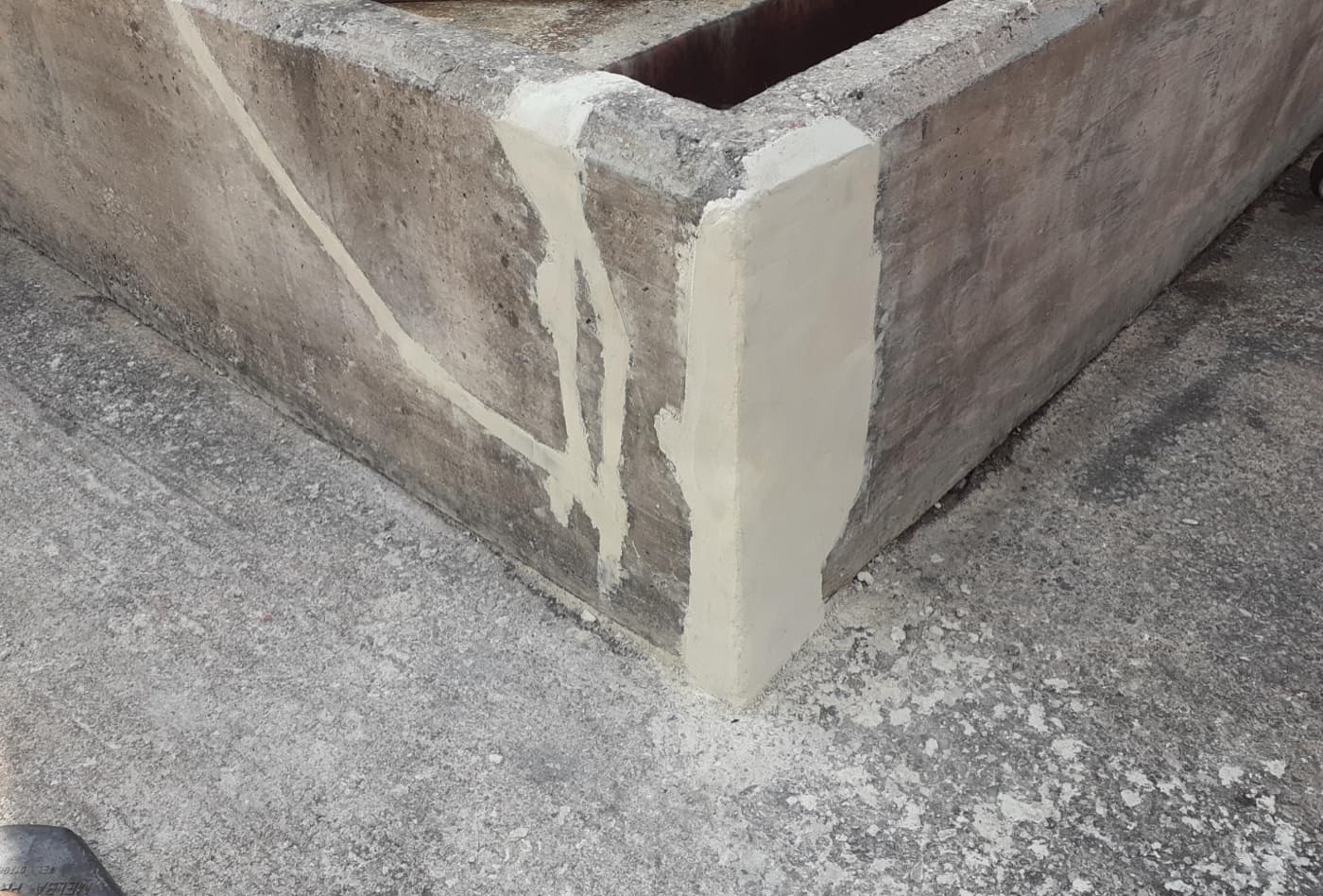
Containment has to hold its rated volume, and concrete does not cooperate forever. Bund walls spall from the inside out, expose rebar, and open cold-joint cracks until the wall no longer holds its number. Porous concrete and cracked joints let spilled acid, alkali, or process product travel through the bund toward the soil.
We rebuild the spalled face, cap it with a barrier coating, and line the zone with a chemical-resistant system matched to the worst-case spill. There is no replacement demolition, and the facility holds the volume its SPCC plan requires. Belzona concrete-repair and chemical-resistant lining series cover the rebuild and lining work.
Some linings have to pass an audit, not just hold product. Food and beverage tanks face daily caustic wash-down and hot clean-in-place cycles, and drinking-water tanks need a coating rated for direct contact.
We apply hygienic and potable-water systems carrying the relevant food-zone and drinking-water certifications, so the surface is cleanable, rated for its service, and ready for inspection. A hygienic Belzona coating supports the food-zone work.
What you get back: the unit, the volume, and the schedule
Every job above shares one payoff. The lining cures cold, so there is no hot-work permit, no heat soak, and no weld cycle to manage around live process equipment.
The repair happens inside the outage, inspection window, or turnaround you already planned, which means the downtime you avoid is real downtime rather than a separate shutdown.
The asset goes back to work with extended life. The floor, weld, or wall that was thinning is a continuous chemical-resistant film now. The bund holds its rated volume, the tank base resists water ingress, and the certified linings pass audit.
BHI Coatings runs a strong safety record and 24-hour on-call service, so when a vessel fails between turnarounds, the same Gulf Coast crew that lines refiners, petrochemical producers, and marine operators is ready to mobilize.
Applications in Tank & Containment Lining
Bund wall rebuild and lining
Bund walls spall from the inside out, exposing rebar and opening cold-joint cracks until the wall no longer holds its rated volume.
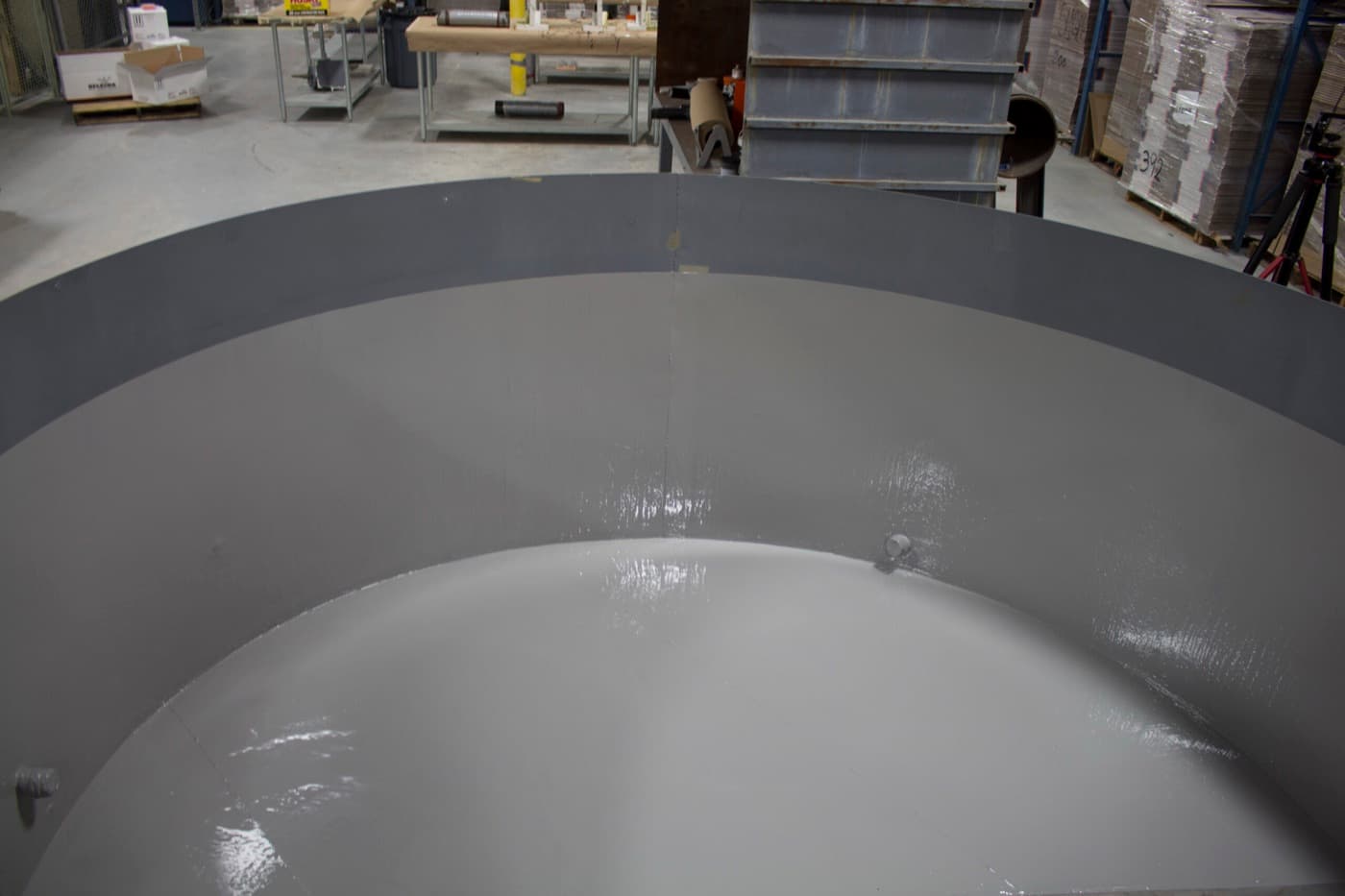
Chemical storage tank linings
Stored chemicals attack tank floors and the floor-to-shell weld, thinning steel where stagnant product settles and the old lining has worn through.
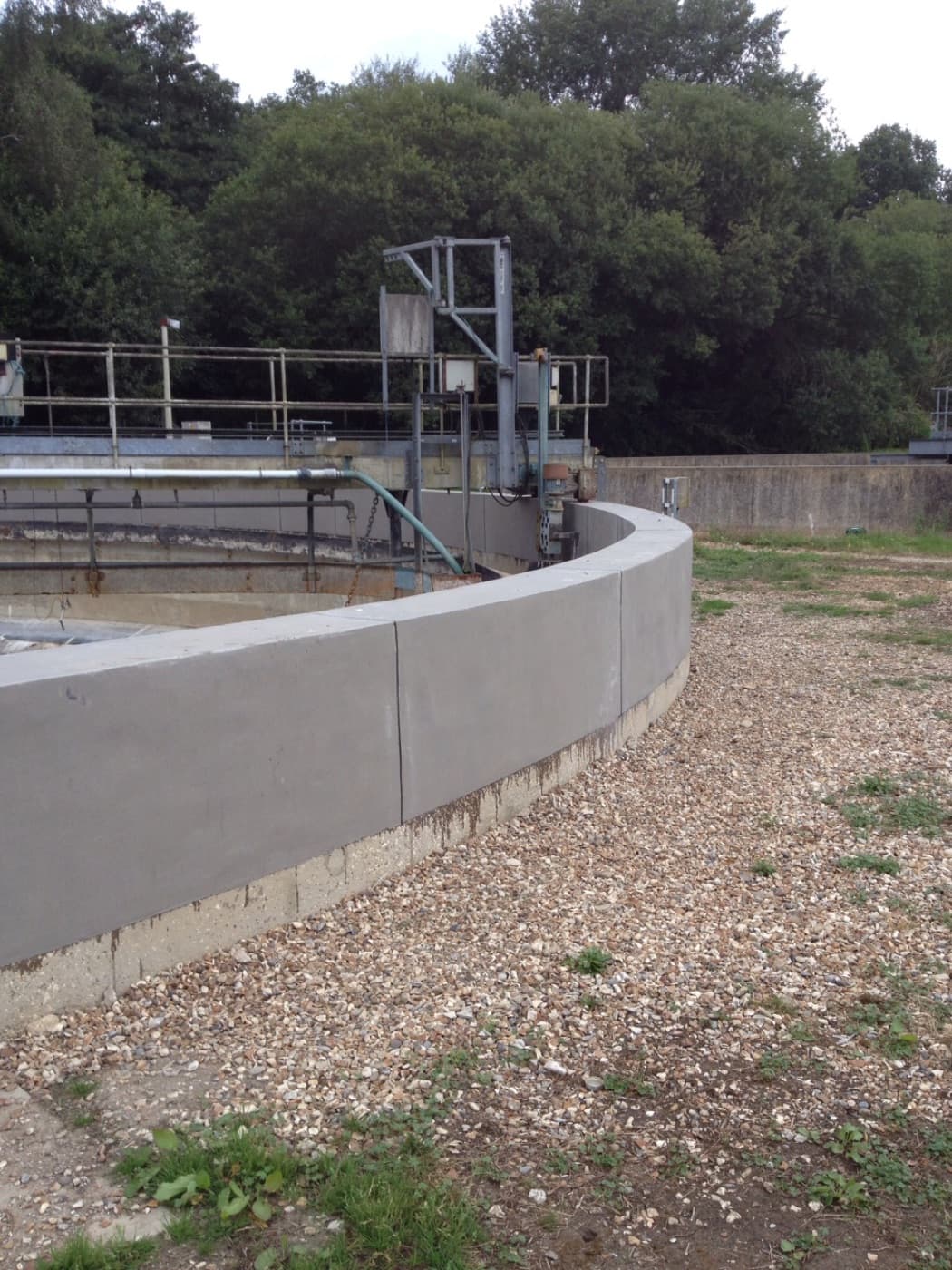
Digester lining and repair
Kraft digesters carry hot sulfate-rich liquor that thins linings and corrodes every weld and access port over a single campaign.
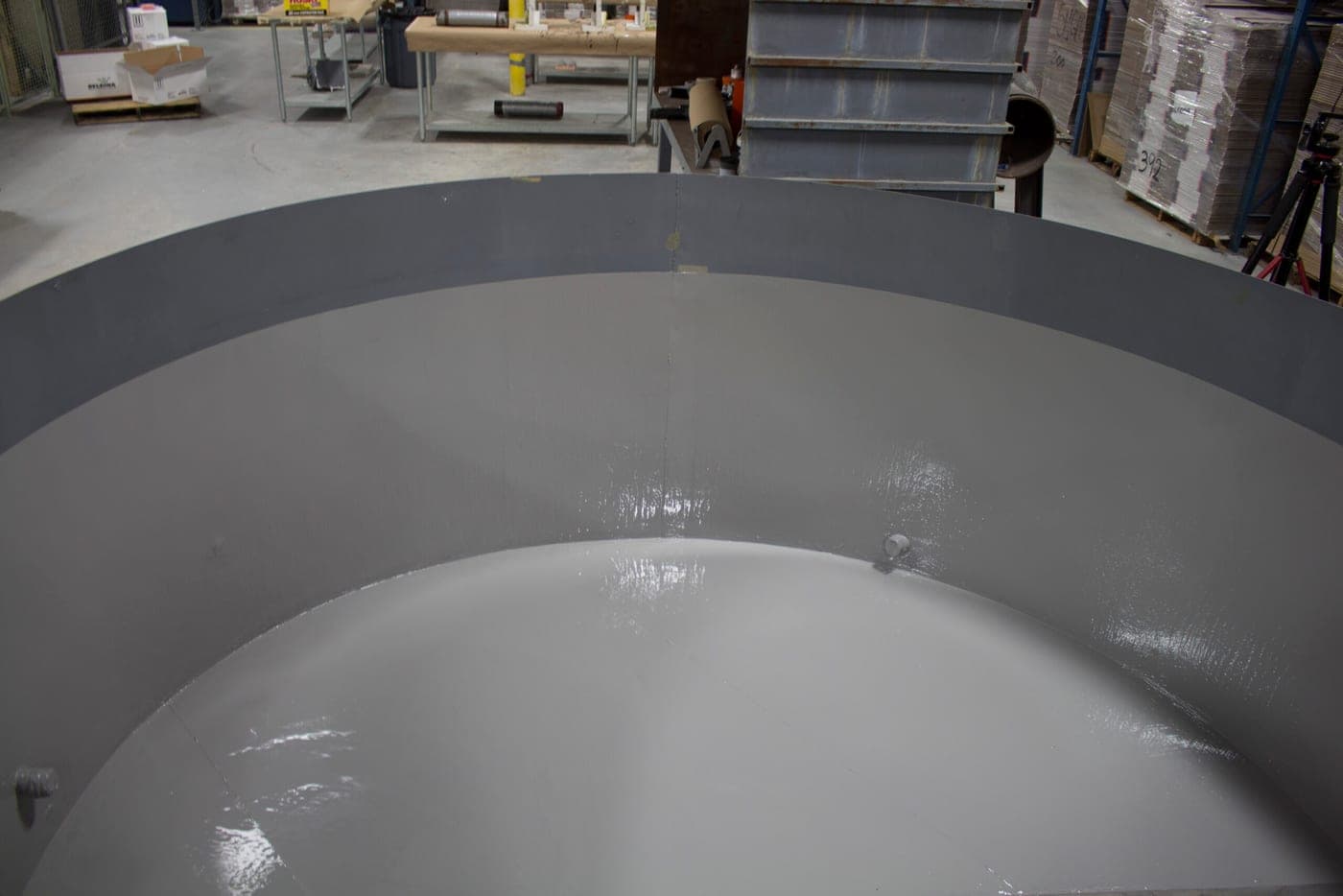
Evaporator, de-aerator and autoclave lining
Evaporators, de-aerators, and autoclaves run hot and wet, so conventional linings break down and the shell corrodes at welds and tube zones.
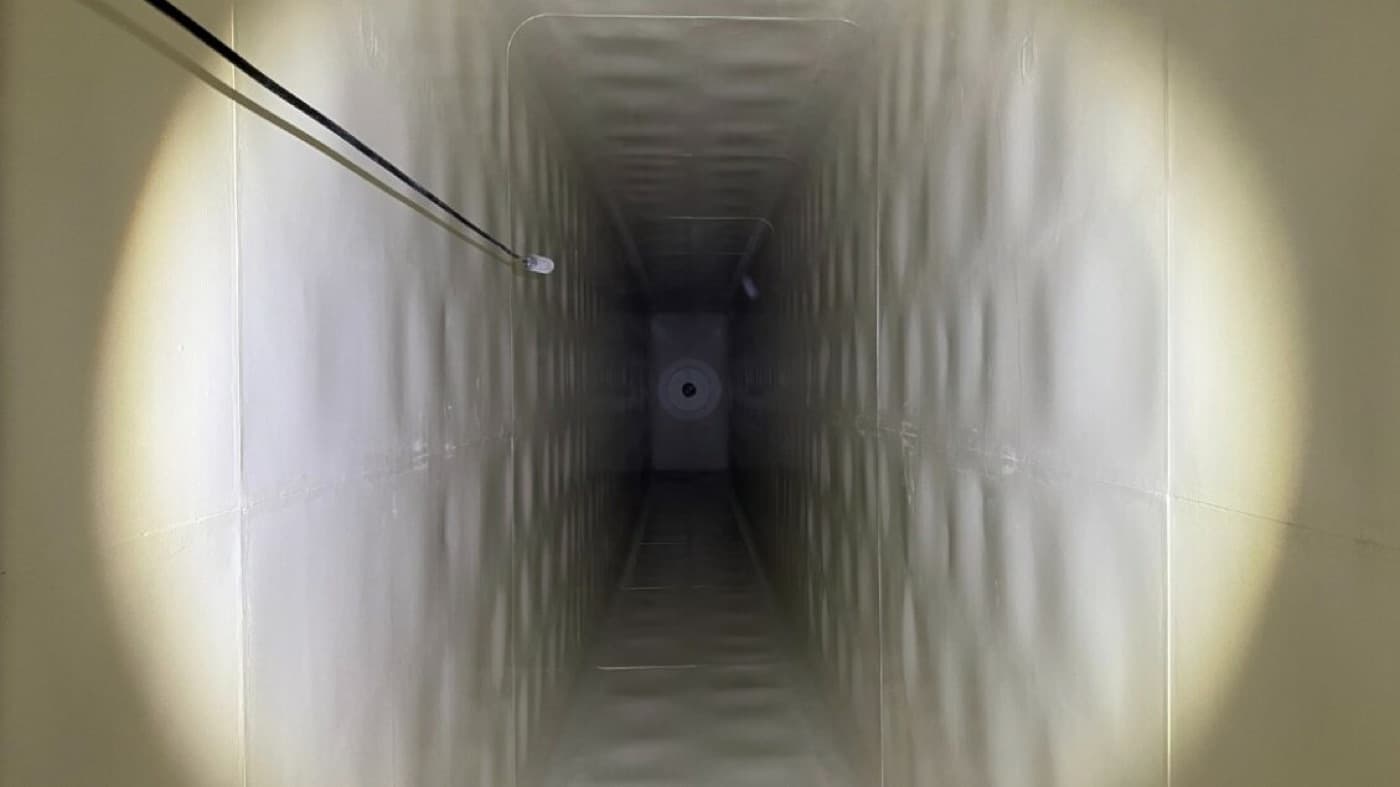
Food and beverage hygienic linings
Tanks and troughs in food and beverage plants face daily caustic wash-down and hot CIP cycles that ordinary coatings cannot pass on audit.
Potable-water tank lining
Internal corrosion in drinking-water tanks and pump components forces a choice between costly replacement and a certified recoat.
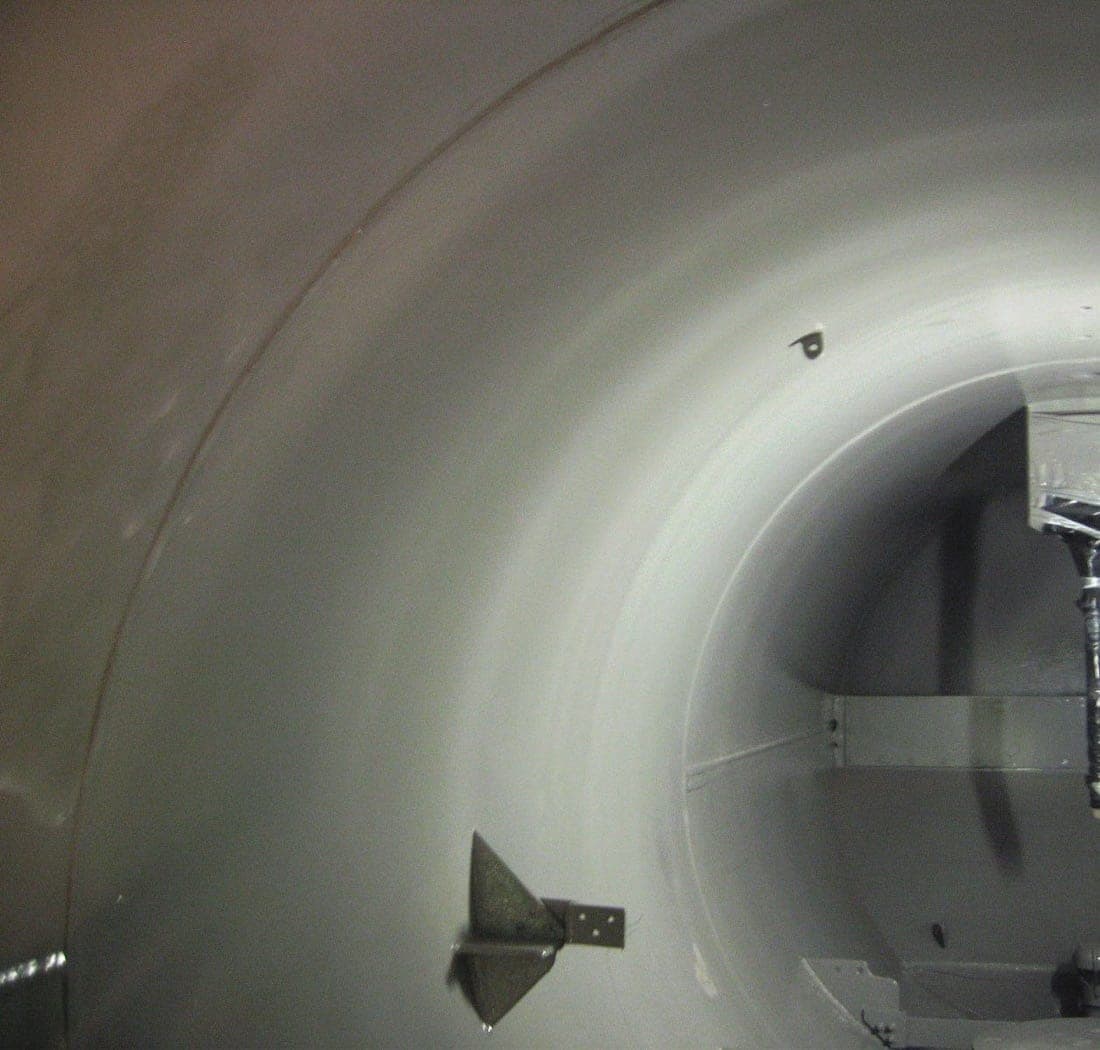
Process vessel and drum linings
Process vessels, knock-out drums, and clarifiers corrode at welds and access ports where the product chemistry thins the original liner.
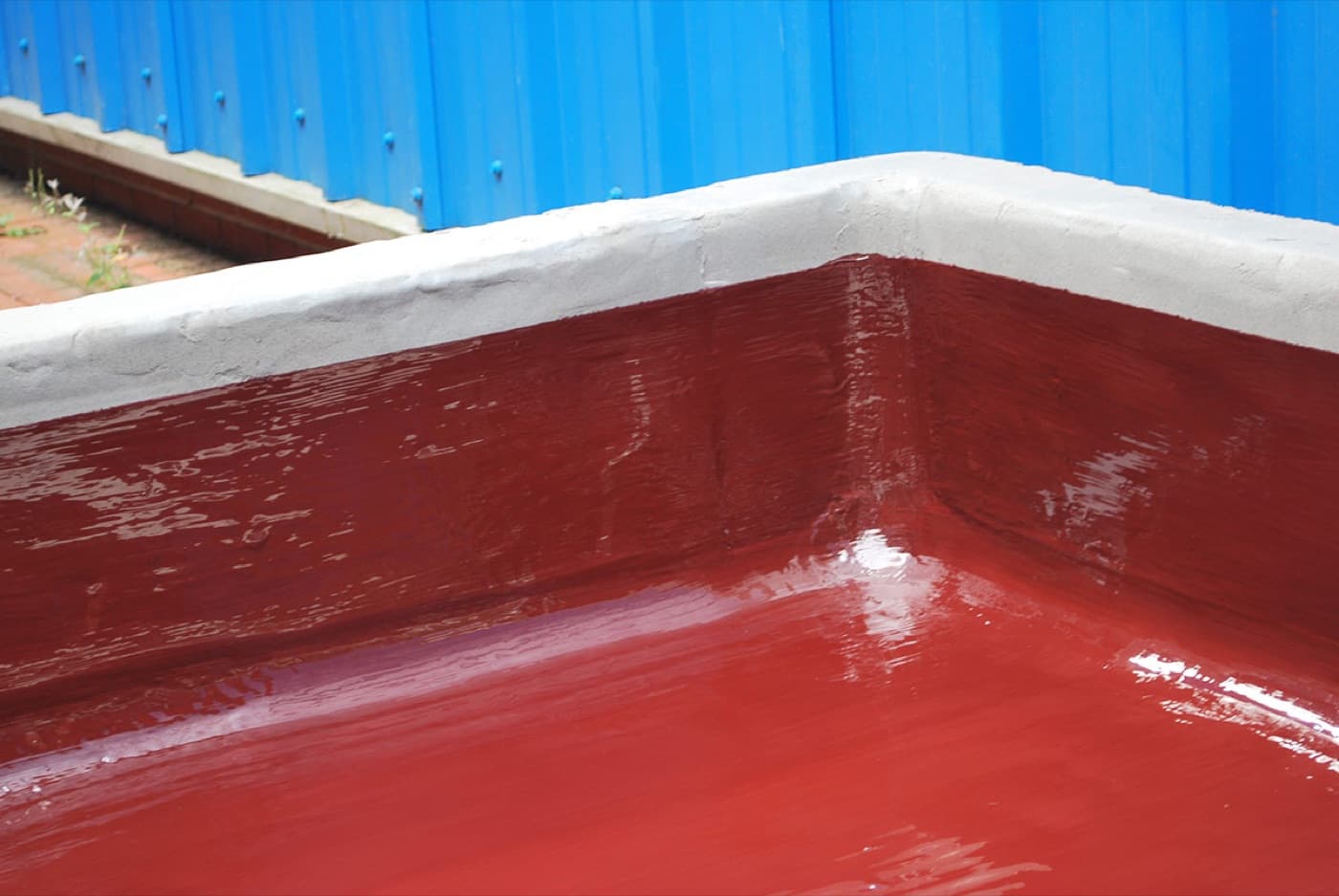
Process wall chemical-resistant lining
Process-area walls take splash, mist, and spill that ordinary paint cannot survive, especially at the floor-wall junction where product puddles.
Scrubber and absorber tower lining
Scrubbers and absorber towers face acidic condensate and wet chemical attack that thin shell steel at the internals and liquid distribution zones.
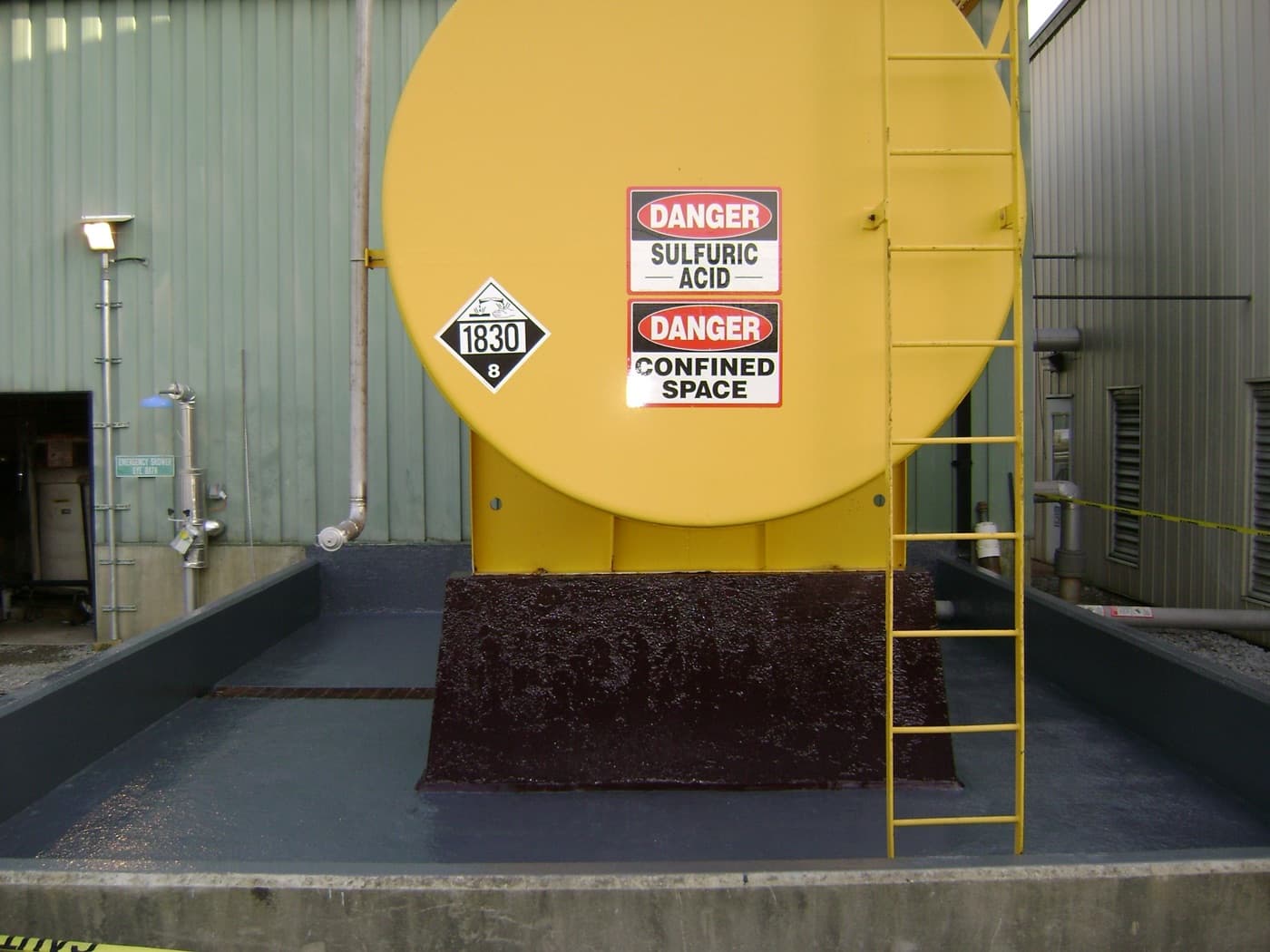
Secondary and chemical containment lining
Porous concrete and cracked joints let spilled acid, alkali, or process product travel through the bund and reach surrounding soil.
Separator vessel lining
Oil, gas, and water separators corrode at the water leg and internals where produced water and solids settle against the shell.
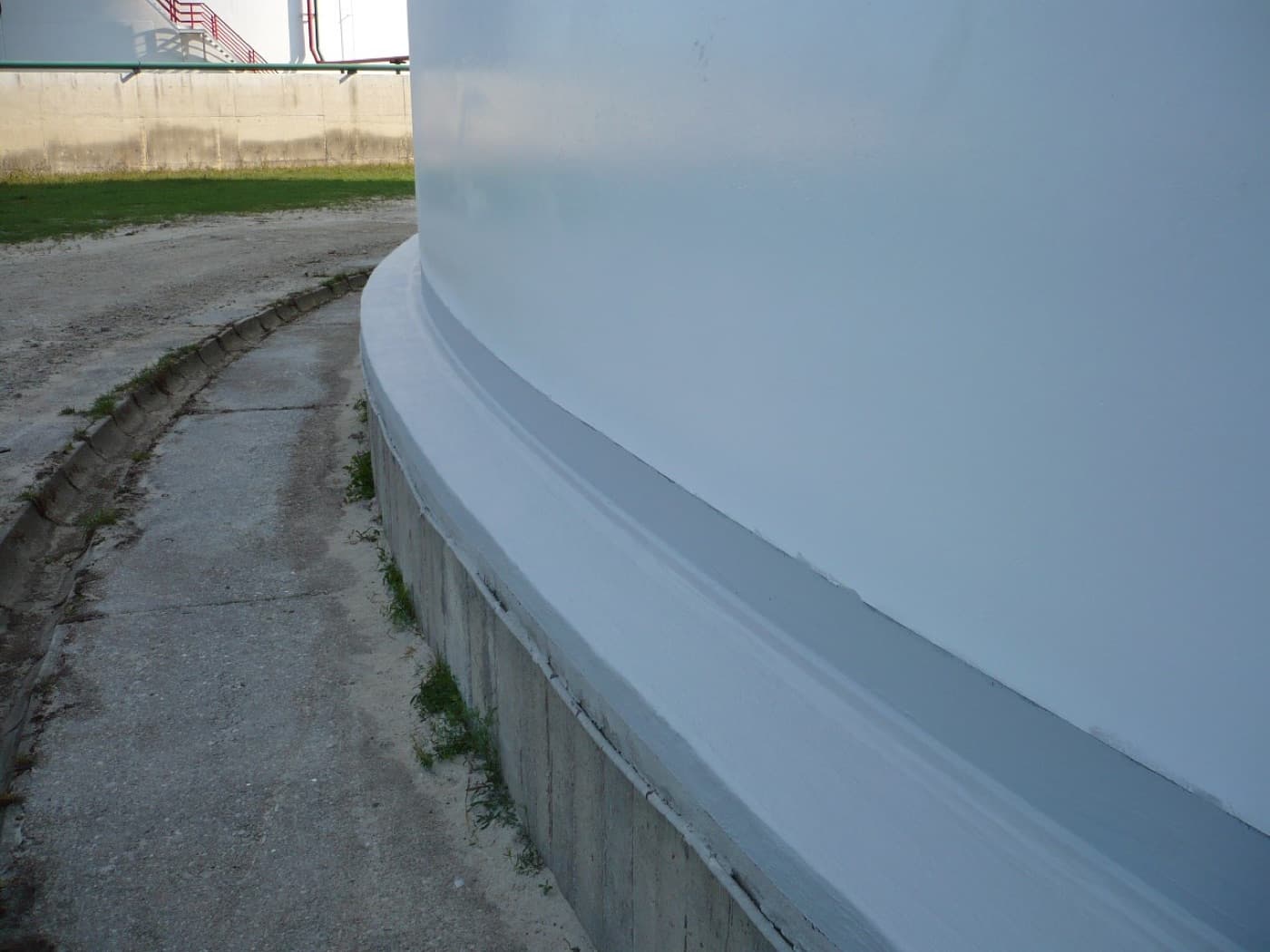
Tank base sealing and water-ingress prevention
Water wicks in at the tank-to-foundation rim and attacks the floor plate from beneath, accelerating underside corrosion with every rain cycle.
Matched to the service conditions.
What this does for your facility
Related work
The industries where tank & containment lining is most used, and the capabilities BHI Coatings runs alongside it.
Contact BHI Coatings
Need tank & chemical containment lining?
Tell us what is failing. We respond quickly, and we offer 24-hour on-call service.