
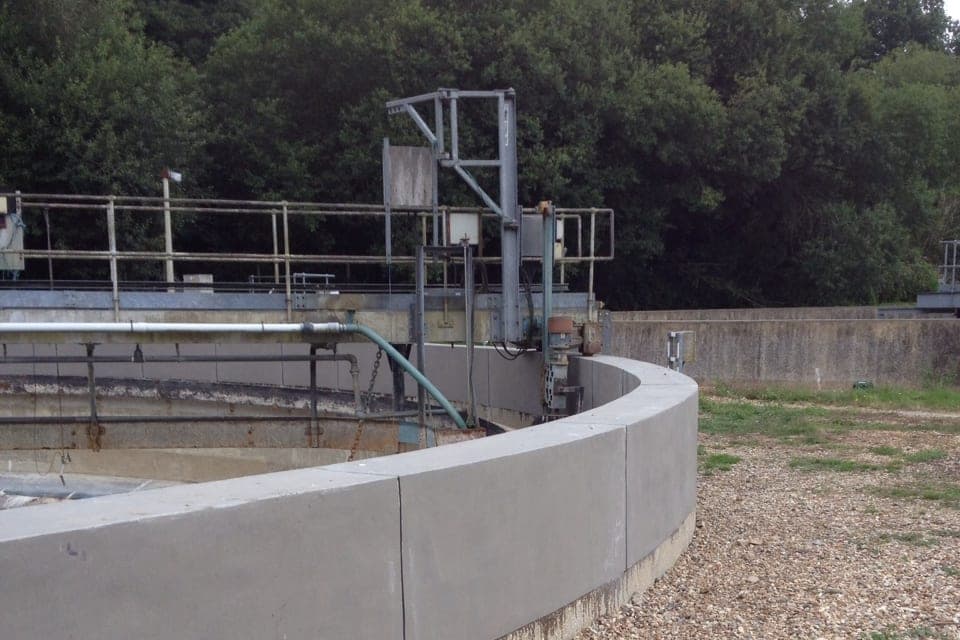
Water & Wastewater Coating & Repair Services
Lining and rebuilding tanks, clarifiers, concrete structures, and steel in constant immersion and corrosive service.
BHI Coatings in Water & Wastewater
BHI Coatings serves Water & Wastewater across Alvin and the Texas Gulf Coast, repairing and protecting equipment in place.
A water or wastewater plant never really shuts down, and almost nothing inside it stays dry. Tanks and clarifiers sit in constant immersion. Concrete walls and channels spall as the surrounding chemistry works on them. Handrails and structural steel rust in the wet air. The pumps and valves moving the flow bleed efficiency to erosion and cavitation. We handle all of it in place. As factory-trained and factory-certified Belzona applicators, we prep, rebuild, line, and coat your assets on your planned outage window. Cold-cure work means no hot-work permit and no draining a basin to send anything out to a remote shop. The crew brings decades of experience on Gulf Coast water and wastewater equipment, a strong safety record, and 24-hour on-call response when a clarifier or force main will not wait for the next maintenance day.
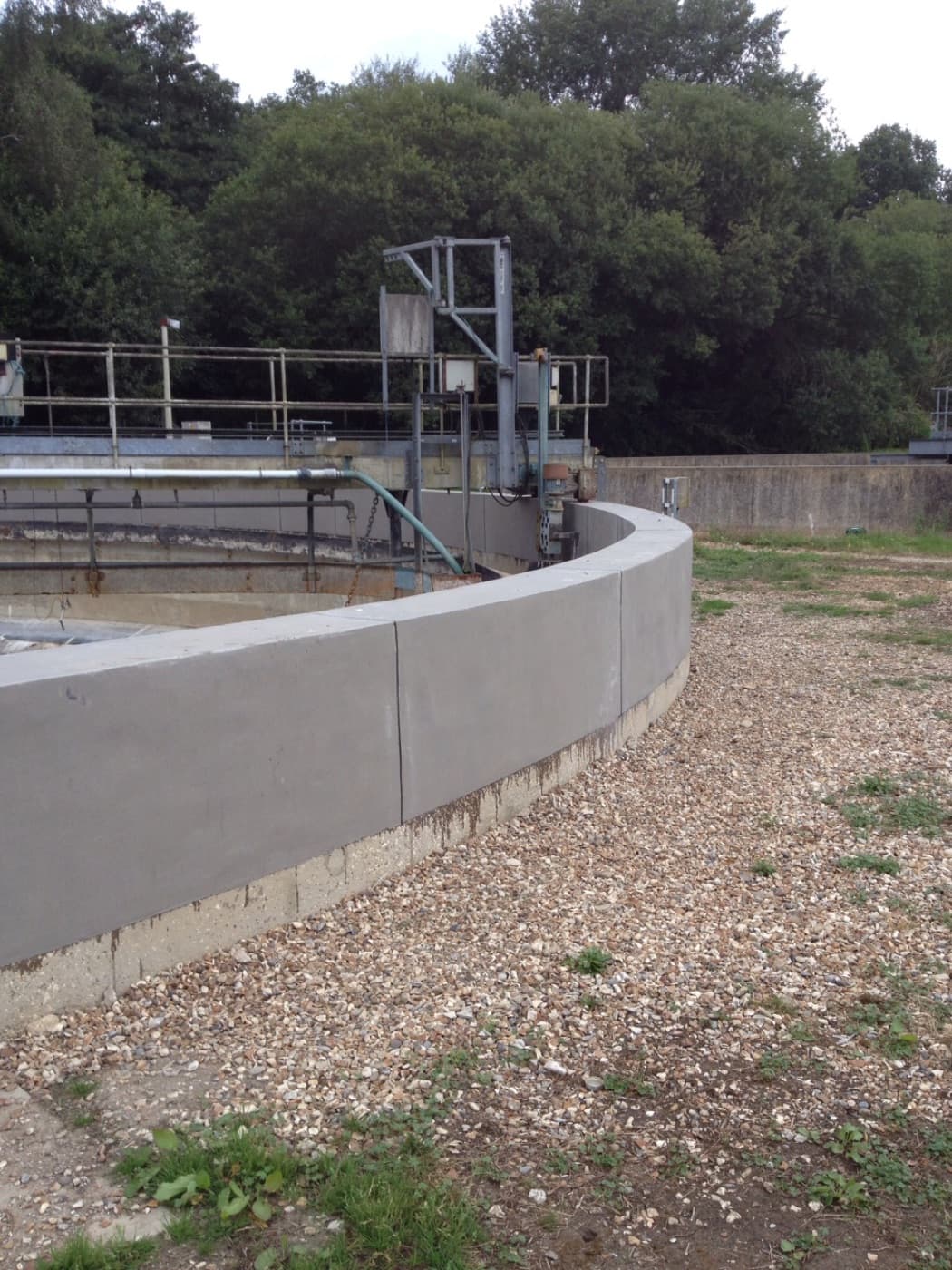
Tanks, clarifiers, and basins under constant immersion
Immersion is the hardest service a coating ever sees, and here it is the default condition. Clarifier floors, basin walls, and steel tanks corrode wherever flow turns stagnant and the old lining has worn through. We prepare the interior and apply the lining as one continuous cold-cure film. No liner-replacement weld seams to recoat, and no heat soak on thin shell steel. The asset comes back inside the same shutdown the utility already scheduled.
On potable assets we work only with materials certified safe for direct drinking-water contact, on steel tanks and on the concrete in tanks and channels alike. Secondary containment and process walls take a chemical-resistant lining matched to the worst-case spill. On tank bases we seal the steel-to-concrete chime against the water ingress that rots floor plate from underneath. Digesters and process vessels running hot and aggressive take a ceramic-filled immersion lining built for that load.
Pumps, valves, and rotating equipment
Pumps and valves are where lost efficiency turns up on the power bill. Erosion-corrosion and cavitation reshape impeller vanes and casing profiles until the pump is off its head curve. We rebuild the vane geometry and the casing wear areas, then lay a smooth coating that restores the hydraulic profile. No weld heat goes in, so the impeller needs no rebalancing for a heat-affected zone. Cavitation-prone surfaces take a cold-applied elastomer that absorbs the implosion energy rather than letting it pit the metal.
Valve bodies erode down the flow path and corrode at the gasket faces, and they fail there long before the trim or the actuator does. We rebuild the eroded body cavities and bonnet faces cold, then overcoat with an erosion-resistant layer, so the valve is restored without ever being cut out for the shop. Worn shafts, journals, and keyways get rebuilt cold and machined back to the specified diameter. Pump and machine bases get re-grouted to spread load evenly and pull vibration out of the rotating gear.
Concrete structures, channels, and steel infrastructure
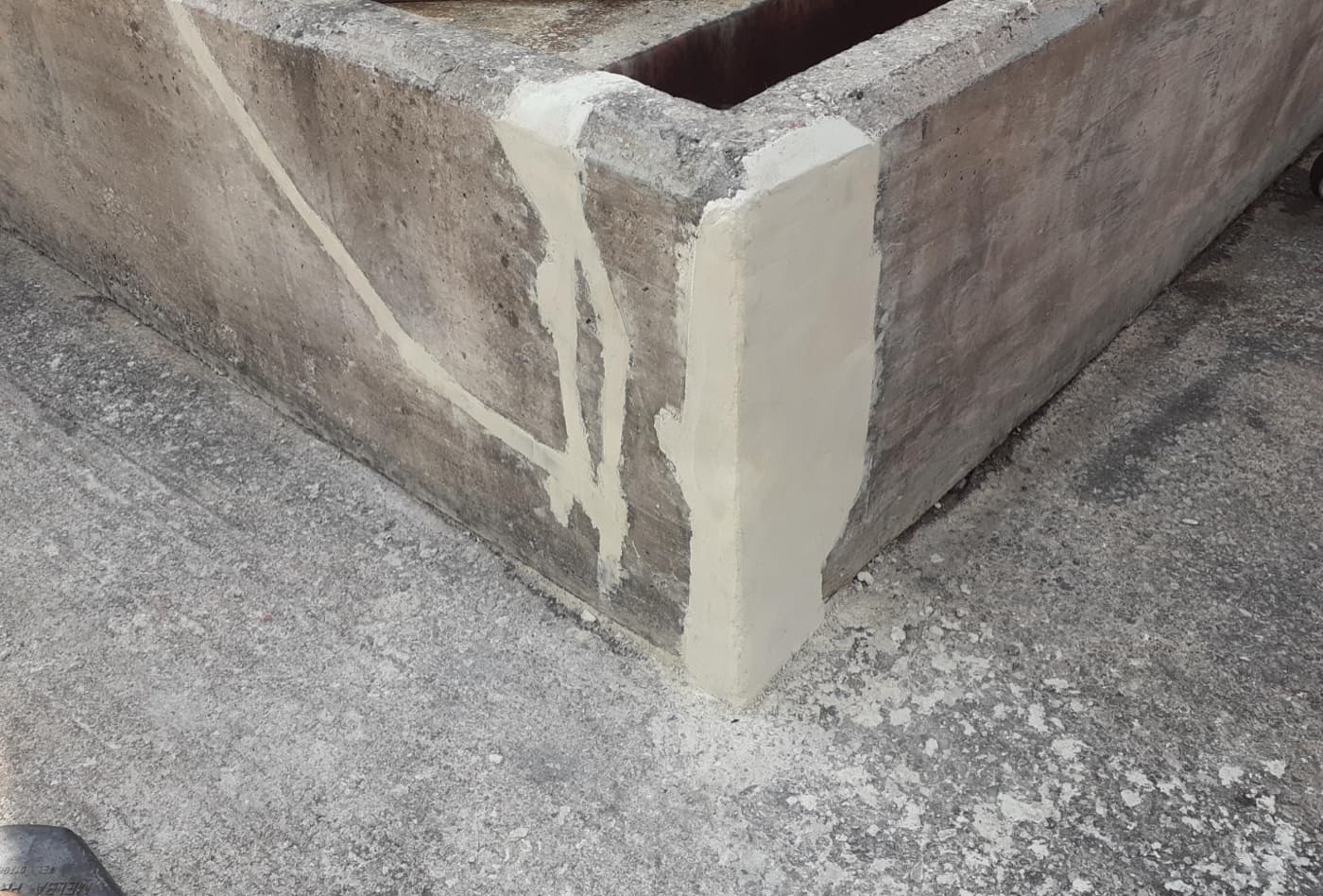
Concrete around a plant takes a beating from spalling, acid attack, and exposed rebar that keeps the spall cycle running. We rebuild and resurface damaged concrete cold, from crack patching to deep bulk-fill, and we prime exposed reinforcing bar before the cover goes back on, so the corrosion that caused the spall actually stops. Acid-retaining walls, drains, and channels take a chemical-resistant lining over prepared concrete. Worked joints get resealed with a flexible compound that moves instead of splitting open again.
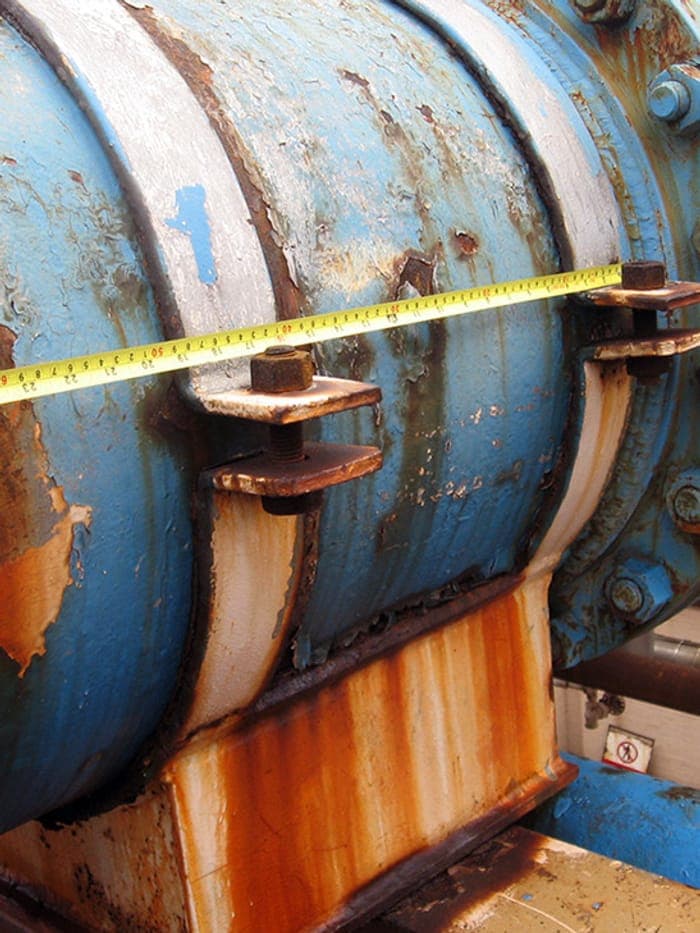
Structural steel, handrails, supports, and skids lose paint or galvanizing at the edges and welds first. We blast-clean the steel and apply a barrier coating that resets the recoat clock and keeps a corroded handrail anchor from turning into a fall hazard. Pipework and tank exteriors take the same treatment at supports, girth welds, and coating gaps, before metal loss ever reaches an inspection limit.
Pipework, leaks, and emergency response
Bends, tees, and elbows wear first, because flow turbulence concentrates erosion and corrosion at every change of direction. We line and wrap those contoured fittings with a composite that follows the geometry, so the spool stays put instead of being cut out and re-welded. Thinned or damaged pressurized pipe takes an engineered resin-and-fiber wrap applied with the line still online. That work follows the recognized composite-repair practices the inspection world knows, ISO 24817 and ASME PCC-2.
When a line is already weeping, we seal the live leak cold with the line still pressurized, then overwrap it for a permanent fix, with no product evacuation and no hot work. Corroded pipe and tank walls, pinholes, and through-wall defects get rebuilt with compounds that bond to damp, contaminated steel. The result is the same across all of it. The basin stays wet, the flow keeps moving, the downtime stays inside the window you planned, and the repaired asset comes back on its design profile rather than waiting on a replacement order. If it cannot wait, the 24-hour on-call crew is already nearby on the Texas Gulf Coast.
How BHI Coatings works
Capabilities used in Water & Wastewater
The repair and protection work BHI Coatings performs most across this sector.
Tank & Chemical Containment Lining
Internal and external linings for tanks, vessels, and secondary containment exposed to chemical attack and immersion.
- Line tanks and vessels for corrosive and immersion service.
- Protect secondary containment to keep product contained.
- Seal tank bases against water ingress and underside corrosion.
Concrete Repair & Chemical-Resistant Flooring
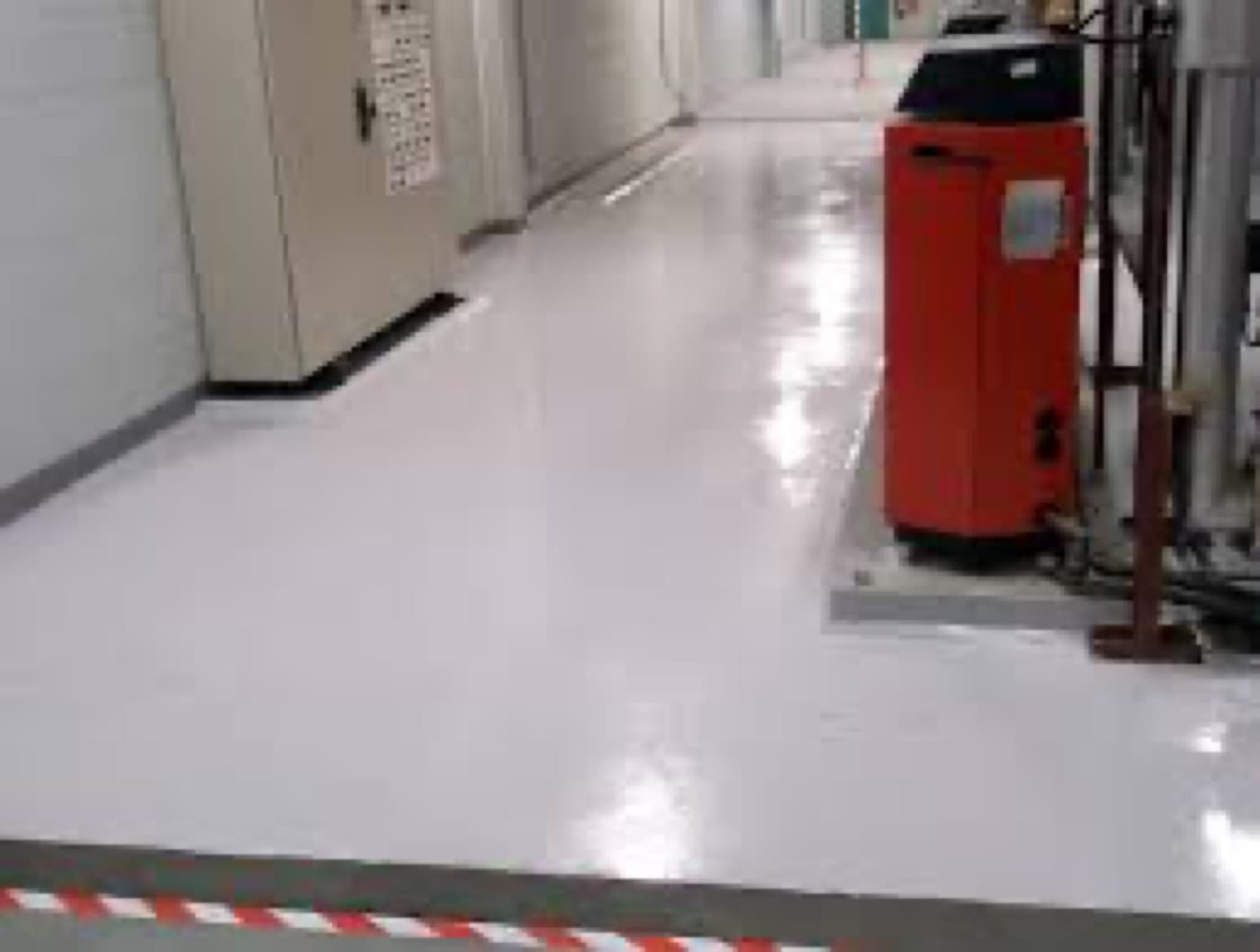
Concrete and masonry rebuilt and protected, plus chemical-resistant floors, bunds, and containment substrates.
- Rebuild and resurface degraded concrete and masonry.
- Install floors and bunds that resist chemical attack and traffic.
Corrosion Protection & Coatings
Long-term barrier and immersion coatings for metal in corrosive, immersed, buried, and splash-zone service.
- Protect metal in immersed, buried, and splash-zone service.
- Coat complex geometries that are hard to protect by other means.
Metal Repair & Rebuilding
Worn, corroded, and damaged metal rebuilt to working dimensions in place, without replacement lead times.
- Rebuild worn and corroded metal in place, without replacement lead times.
- Restore equipment to working tolerances and efficiency.
Work BHI Coatings performs here
Stored chemicals attack tank floors and the floor-to-shell weld, thinning steel where stagnant product settles and the old lining has worn through.
Learn more →Digester lining and repairKraft digesters carry hot sulfate-rich liquor that thins linings and corrodes every weld and access port over a single campaign.
Learn more →Potable-water tank liningInternal corrosion in drinking-water tanks and pump components forces a choice between costly replacement and a certified recoat.
Learn more →Process vessel and drum liningsProcess vessels, knock-out drums, and clarifiers corrode at welds and access ports where the product chemistry thins the original liner.
Learn more →Acid attack eats into retaining walls, drains, and channels, thinning concrete and opening leak paths into the substrate and surrounding ground.
Learn more →Chemical-resistant industrial floorsProcess floors and containment areas take acid, alkali, and mechanical attack that strips ordinary toppings and lets product reach the substrate.
Learn more →Concrete and masonry repair and resurfacingSpalled slabs, cracked walls, and deep concrete loss expose rebar and weaken structures, channels, and openings across a plant.
Learn more →Expansion and building joint sealingAged joint sealant loses adhesion at the substrate edge, so floor, wall, and walkway joints open and let water and debris into the structure.
Learn more →Bends, tees, and elbows wear fastest because flow turbulence concentrates erosion and corrosion at the change of direction.
Learn more →Engineered composite pipe wrap repairThrough-wall corrosion, external pitting, and mechanical damage thin pressurized pipes and vessels before a replacement turnaround is scheduled.
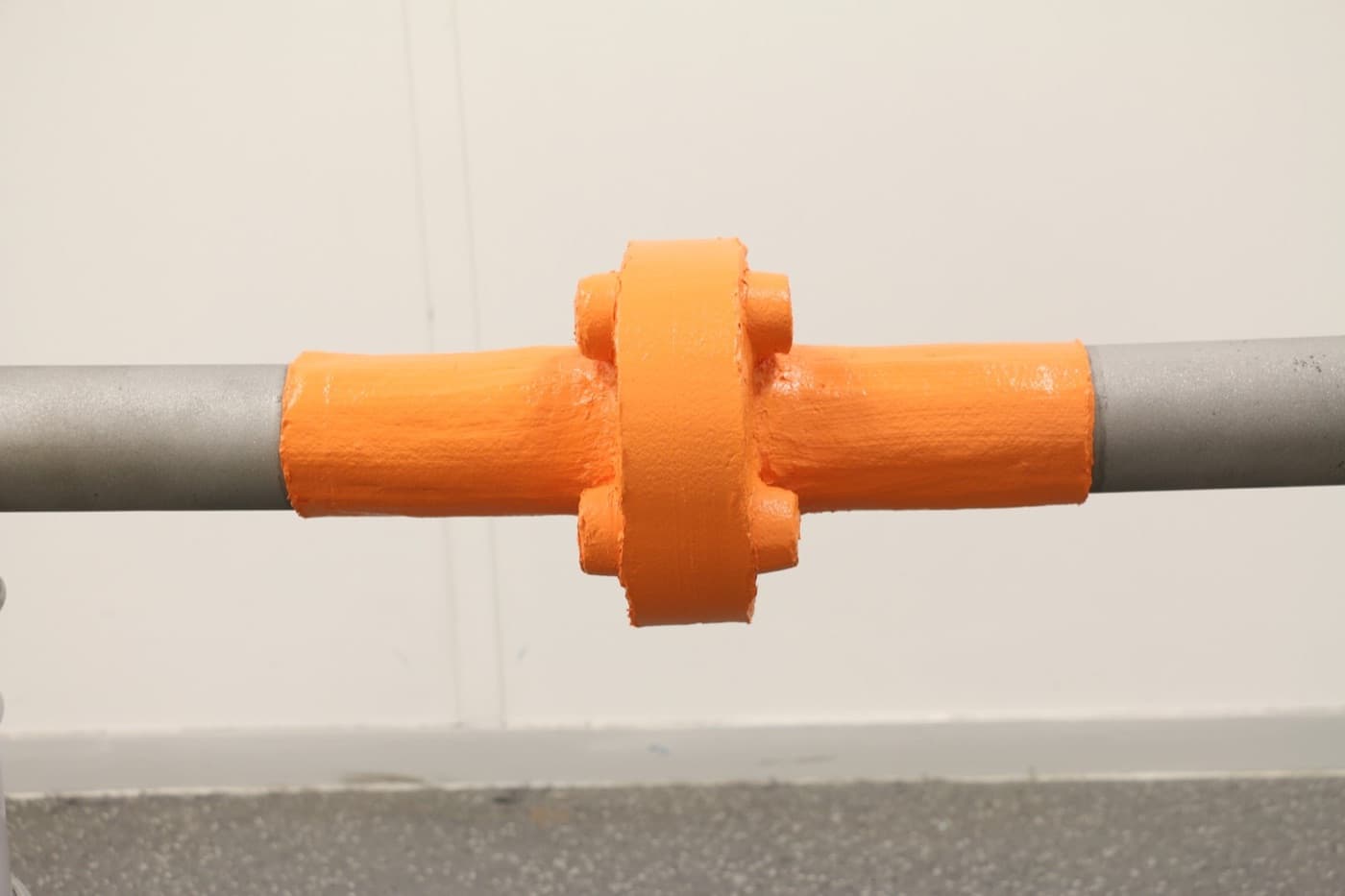
Learn more →Flange encapsulation and sealingFlange faces corrode and weep at the gasket joint, and exposed bolting seizes. This opens leak paths and makes future disassembly hard.
Learn more →Live leak sealingActive leaks at pipes, headers, and vessels waste product and corrode nearby steel before a shutdown can be scheduled.
Learn more →Erosion-corrosion and cavitation reshape impeller vanes and casing profiles, pulling the pump off its head curve and cutting efficiency.
Learn more →Valve body restorationBody erosion at the flow path, seat-and-stem wear and gasket-face corrosion retire valves before the trim or actuator fails.
Learn more →Worn shaft, journal and keyway rebuildingKeyway hammering, journal scoring and worn shaft seats leave the press-fit oversized and the journal undersized for its sleeve.
Learn more →Collapsing vapor bubbles pit turbine runners, propellers, Kort nozzles, and stern tubes, driving the spongy cavitation damage that thins the steel.
Learn more →Erosion-corrosion resistant equipment coatingsFlow-induced metal loss exposes fresh steel that the process chemistry then attacks, thinning seawater filters, amine systems, impellers, blades, and rudders.
Learn more →Slurry pump and impeller wear protectionAbrasive slurry erodes pump impellers, casings, agitators, and mixer blades, pulling the unit off its head curve and dropping efficiency.
Learn more →External corrosion attacks pipework, valves, fittings, and tank walls at supports, weld seams, and coating gaps until metal loss hits inspection limits.
Learn more →Splash-zone, immersed, and underwater corrosion protectionTidal wetting, full immersion, and underwater exposure corrode marine and offshore steel faster than topside surfaces, attacking piles and risers.
Learn more →Contact BHI Coatings
Have equipment that needs to stay in service?
Tell us what is failing. We respond quickly, and we offer 24-hour on-call service.